




In today’s world there are few topics that are commonly steered clear of, one of them being incontinence. Even though it affects many, the issues affiliated to it remain unmentioned. Maybe due to shame, maybe because of the fear of being judged upon it. The idea is to not let it remain undiscovered, unspoken of, people should openly discuss this issue and make their lives better and worry free.
What is incontinence referred to in adults?
It’s not just a problem that comes “with getting older.” Incontinence can happen to adults at various life stages and circumstances, may it be post-surgery, during menopause, because of prostate problems, childbirth, chronic conditions, or even factors related to stress. Even so, numerous people submitted to it and chose to stay quiet.
And that’s precisely why understanding it is important. Seniors do not lack the understanding to seek assistance; they just don’t know where to search for it or whom to ask it and who would be willing to not feel weird about dealing with it..
Why Silence Leads to more Problems
If we remain silent on a topic, we allow misinformation to float around. A person dealing with leakage may think they are alone or that there is no remedy or support. They might begin to avoid social gatherings or traveling. Eventually, this may result in a more passive state—not out of preference, but out of need.
If we begin addressing incontinence as the health concern it truly is—without stigma—individuals will feel more comfortable seeking information, investigating options, and getting help.
Minor Efforts, Major Changes
You don’t have to implement a nationwide effort to create an impact. Community initiatives, casual conversations, and friendly acts can result to significant transformations.
You can mention the subject during a conversation about health overall. It doesn’t need to be very evident that you are trying to talk about it. A statement such as, “Did you realise that many adults face bladder problems, yet no one discusses it?” can effectively jump start the conversation.
You don’t need to launch a national campaign to make a difference. Local efforts, small talks, and neighborly gestures can lead to big changes.
- Start with Real Conversations: You can bring up the topic while talking about health in general. It doesn’t have to be just incontinence. It can be about skin rashes, golf or even what their children love most.
- Team Up with Local Clinics or Groups: Doctors, nurses, and pharmacists can be strong suitors to your cause. Ask them if they can put up a poster or hand out a small pamphlet. If your area has a local newsletter, write a short article or letter to the editor, make sure the resources you make use of are directed to the care.
- Use Technology: Many communities are connected using social media channels like WhatsApp or Facebook groups. Here you can share your thoughts, personal experiences (with permission), or even short facts about health conditions like incontinence.
- Focus on Caregivers Too: Usually family members caring for someone with incontinence need support as much as the person themselves. Being part of a community which helps you tackle problems and gain small tips goes a long way.
- Make ResourcesVisible: Flyers in community centers, clubhouses, or schools can help. These small adverts can reach the right audience or people seeking support and start a chain reaction.
How the Way of Communication Shapes Perception
You may start a conversation about health, especially something as personal as bladder control but the way you speak matters very highly. Avoid language that sounds medical or unappreciative or uncaring even dismissive. Instead, say things plainly, the way you’d talk to a friend but also keep in my to be a little sensitive to the masses.
Also, avoid humor around this topic. What feels like a light joke to one person can feel like dismissal to another. If you’re trying to help, empathy is the best tool.
Understanding doesn’t conclude with a single discussion. Maintain progress by expanding your own knowledge. Research the functioning of various products, recommendations from doctors, and the experiences of others who have dealt with it. The greater your knowledge, the more effectively you can support someone when they confide in you.
And don’t undervalue the power of storytelling. If you know someone open to sharing their experience (either anonymously or not), that narrative can create a significant ripple effect. It might be the factor that encourages another person to voice their concerns, consult a physician, or simply regain a sense of normalcy.
Let’s Create a More Compassionate Community
Picture a community where a person battling incontinence no longer had to hide their condition. Where they could attend events, use public transportation, or stroll without concern. Where they were aware that others supported them.
That’s not implausible. It begins with consciousness. It flourishes through compassion. And it expands when we communicate without criticism.
If you’re seeing this, think of it as your invitation to take a tiny step forward. Speak. Hear. Distribute. The ball is in your court now, the next step can either elevate or change a scenario.
Although you might not notice it, the effect is genuine and will lead to more confidence and happy moments.
Our Products
-
 Lifree Durable Absorb upto 12 hrs Pants
12-hours protection 6-glass absorption technology
Lifree Durable Absorb upto 12 hrs Pants
12-hours protection 6-glass absorption technology
-
 Lifree Durable Absorb upto 10 hrs Pants
10-hours protection 5-glass absorption technology
Lifree Durable Absorb upto 10 hrs Pants
10-hours protection 5-glass absorption technology
-
 All Night Absorb Pants
8-hours protection 4-glass absorption technology
All Night Absorb Pants
8-hours protection 4-glass absorption technology
-
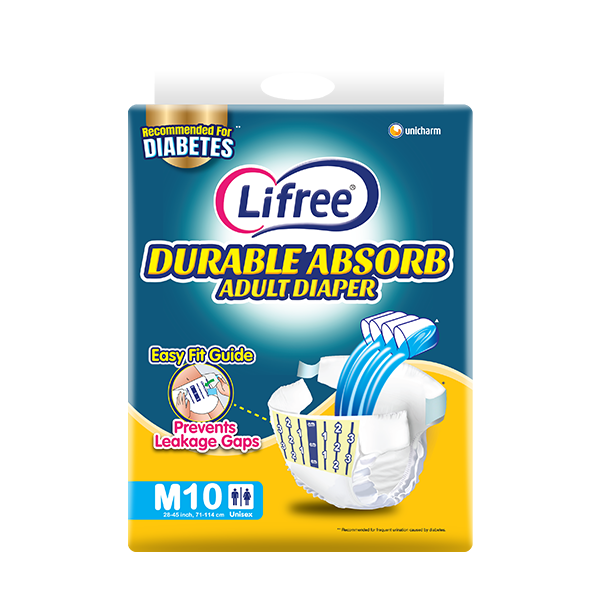 Durable Absorb Adult Diaper
8-hours protection 4-glass absorption technology
Durable Absorb Adult Diaper
8-hours protection 4-glass absorption technology