Introduction
Managing bladder or bowel leakage is more than choosing an absorbent product. The right incontinence solutions can make everyday activities, work, travel, sleep, and social interactions easier to manage while supporting comfort, hygiene and confidence. However, the product that works well for one person may not be suitable for another, as leakage patterns, mobility and daily routines can vary considerably.
From incontinence pads and adult pull-up pants to adult diapers and other adult incontinence products, each option is designed for different levels of coverage, absorbency and ease of use. Understanding these differences can help adults, older adults, and caregivers make a more informed choice based on the type and frequency of leakage, mobility, duration of use and the level of assistance required.
Understanding the Types and Levels of Incontinence
Choosing among adult incontinence products starts with understanding the type of incontinence and the amount and pattern of leakage. These factors help determine the level of absorbency, coverage and product style needed.
Urinary incontinence can occur in different patterns. Common types include:
| Type | Leakage Pattern |
|---|---|
| Stress | Leakage happens due to pressure placed on the bladder, such as coughing, sneezing, laughing, or lifting. |
| Overflow | The bladder does not empty completely, causing frequent dribbling between bathroom visits |
| Urge | A sudden, strong urge to urinate occurs, with little time to reach the toilet |
| Functional | Physical or cognitive difficulties make it difficult to reach the toilet in time |
| Mixed | Two or more types occur together, commonly stress and urge incontinence |
Bowel incontinence refers to involuntary leakage of stool and is another form of incontinence. Thus, it is recommended to always verify whether the product is designed for both urine and bowel leakage. The type of incontinence affects the choice of product. While bladder leakage requires products with appropriate absorbency and leakage protection, bowel incontinence places greater emphasis on containment and a secure fit. The type and severity of leakage can help determine the most suitable adult incontinence supplies.
Types of Adult Incontinence Products for Different Needs
Adult incontinence products are available in reusable and disposable formats, with different designs suited to different levels and patterns of leakage. The options range from discreet liners and pads to protective underwear, fitted briefs and adult diapers, allowing users to choose based on absorbency, coverage, mobility and daily care needs.
1. Reusable Adult Incontinence Products
Washable adult incontinence care products are commonly made from super-absorbent materials and include reusable pads, protective underwear, etc. They can help manage moderate urinary or bowel leakage and are available through online stores and selected medical supply shops.
2. Disposable Products
Disposable incontinence products are designed for single use and offer convenience, easy disposal, and quick changes.
Discreet and Targeted Protection
- Liners: For very light urinary leakage, these thin inserts fit inside regular underwear.
- Bladder Control Pads: Available in different sizes, thicknesses and absorbency levels for varying degrees of urinary leakage.
- Male Shields: Adhesive shields designed to fit inside close-fitting underwear for front protection.
- Male Guards: Cup-shaped pouches designed to provide targeted protection for light to moderate leakage.
Wearable and Higher-Coverage Options
- Belted Undergarments: Absorbent garments secured around the body with adjustable belts.
- Fitted Briefs with Elastic Legs: Designed with elastic waist and leg openings for a close fit and moderate to heavy leakage.
- Unisex Protective Underwear: Pull-on garments designed to resemble regular underwear and provide moderate leakage protection.
- Gender-Specific Protective Underwear: Shaped according to male or female body contours for a more tailored fit.
- Pad and Pants System: Combines a disposable absorbent pad with washable, reusable pull-up pants for moderate to heavy urinary leakage.
- Adult Briefs: Designed for heavy urinary or bowel leakage, with greater coverage and absorbency options for daytime or overnight use.
Adult Diapers Vs Diaper Pants Vs Incontinence Pads: Key Differences
Among the many available formats, incontinence pads, adult pull-up pants and adult diapers are three commonly considered options. While all provide absorbent protection, they differ in coverage, absorbency, how they are worn and the level of independence or assistance they may require.
| Product type | Typical absorbency | How it is worn | Best suited for |
|---|---|---|---|
| Incontinence pads for adults | Light to moderate | Secured inside close-fitting underwear | Light to moderate urinary leakage |
| Adult pull-up pants | Moderate to heavy | Pulled on like underwear | Active or independent users |
| Adult diapers/taped briefs | Heavy | Secured with tabs | Heavy leakage, limited mobility or caregiver-assisted care |
Other absorbent products, such as booster pads and underpads, serve supplementary or surface-protection needs.
How to Choose the Right Adult Incontinence Products
When selecting the right adult incontinence supplies for adults, pay attention to these factors.
- Absorbency: Choose absorbency based on the amount and frequency of leakage. Light leakage may be managed with liners or pads, while moderate to heavy leakage may require pull-up pants or adult diapers, depending on individual needs.
- Leakage Level: Consider whether leakage is occasional, frequent, urinary, or bowel-related. The absorbent products should provide enough coverage to prevent leaks without unnecessary bulk.
- Fit: A secure, comfortable fit around the waist and legs helps support leak protection. The right size should feel snug without being too tight or restricting movement.
- Comfort: Soft, breathable materials can reduce discomfort and help protect the skin. Features such as moisture-wicking layers may also improve comfort during extended wear.
- Lifestyle: Mobility and daily activities also have a huge impact on product choice. Pull-ups may suit active adults, while tab-style incontinence products for seniors can be a practical choice for those needing caregiver assistance.
How to Select the Correct Size and Avoid Common Selection Mistakes
Correct sizing is one of the most important parts of selecting the right adult urinary incontinence products. A poor fit can cause leakage even when the product has sufficient absorbency. Measurements should be checked before purchase instead of relying solely on age, body weight or a general perception of whether the product looks large or small.
Signs of a Good Fit
A properly fitted product should:
- Sit securely around the waist and legs.
- Cover the required areas without excessive gaps.
- Allow comfortable movement.
- Remain in position while walking or sleeping.
- Avoid excessive pressure on the skin.
- Absorb leakage without frequent side or leg leaks.
The incontinence protection products should not leave deep marks or cause significant discomfort.
Common Size-Selection Mistakes
Selecting the correct size is essential for effective leak protection, comfort, and skin health. The following mistakes may reduce product performance:
- Selecting a Larger Size for Higher Absorbency: A larger size does not provide higher absorbency. However, excess space around the waist or legs can create gaps and increase the risk of leakage.
- Choosing a Smaller Size for a Tighter Fit: An overly tight product may cause friction, pressure, skin irritation, and restricted movement. The fit should be secure without causing discomfort.
- Ignoring Body Measurements: Sizing can vary between manufacturers and product types. Body measurements should therefore be checked against the manufacturer’s sizing guide rather than depending only on the usual clothing size.
- Using Unsuitable Underwear with Pads: Pads generally remain in place better with close-fitting underwear. Loose-fitting underwear may allow the pad to shift and reduce protection.
Note: Incontinence products for seniors may require different considerations when mobility or caregiver assistance is involved.
Product-Use Tips for Comfort, Leak Protection, Hygiene and Skin Care
Managing incontinence requires regular attention to hygiene and skin care to maintain comfort and reduce the risk of irritation. Prolonged exposure to moisture can lead to incontinence-associated dermatitis (IAD), causing redness, soreness and skin breakdown. Proper care and correct use of absorbent products can help keep the skin healthy and protected.
- Select a well-fitting, absorbent product depending on the level of leakage.
- Change products on a regular basis to avoid prolonged skin contact with moisture.
- After each adult incontinence care product change, cleanse the skin gently with mild, fragrance-free wipes or cleansers.
- Pat the skin dry and avoid rubbing.
- A suitable barrier cream or skin protectant may help protect vulnerable skin from moisture and irritation.
- Check regularly for redness, rashes, or skin breakdown.
- Wash hands before and after changing incontinence products.
Comfort and discretion can also influence product choice. Products that fit securely under clothing and resemble regular underwear may help users feel more confident during daily activities, while discreet packaging can make handling more private for users and caregivers.
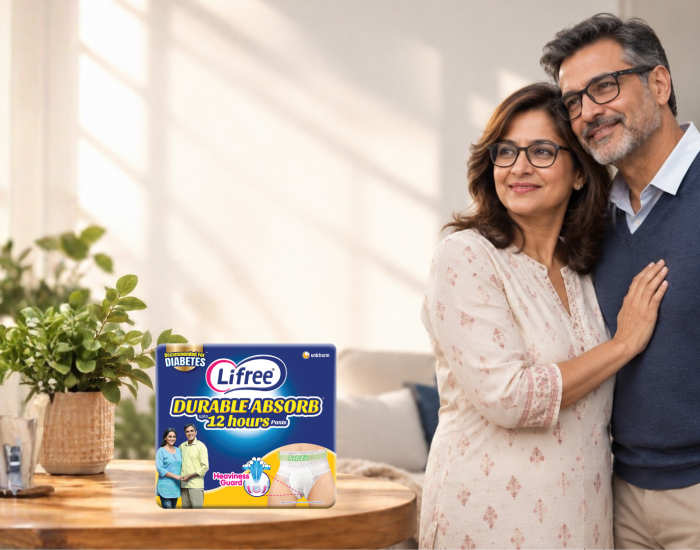
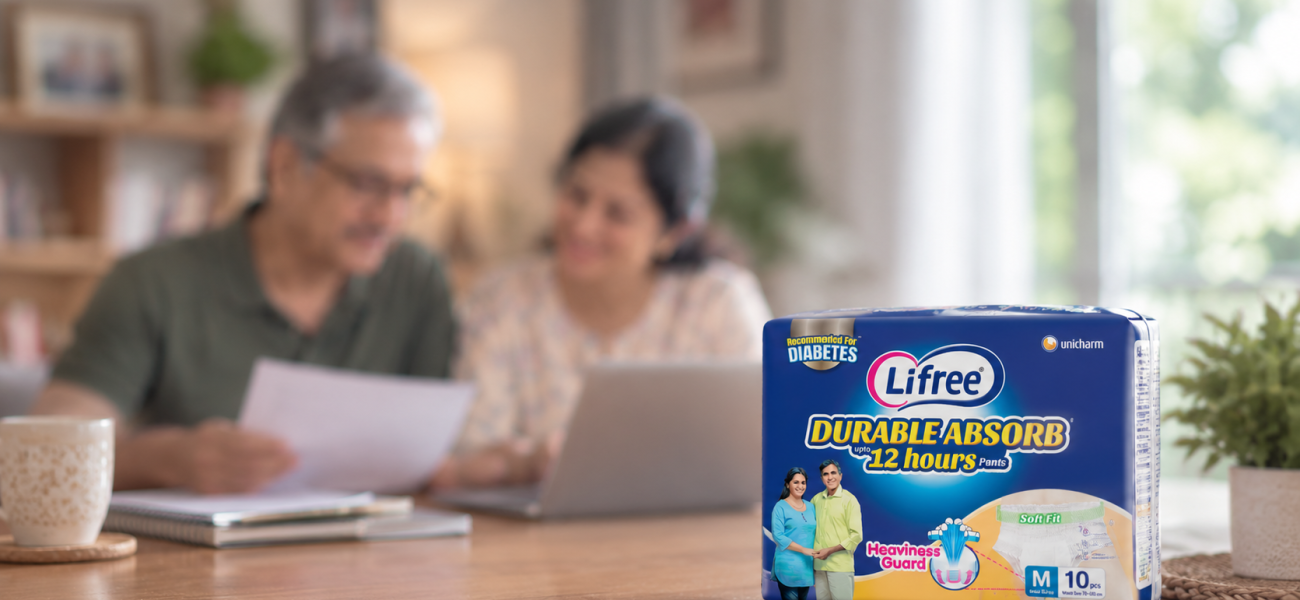
Incontinence products for adults do not treat the underlying cause of leakage. They are mainly used to manage symptoms while the cause is assessed or treated. For people managing frequent urinary leakage, the right absorbent product can make daily routines and overnight care easier to manage. Lifree’s Durable Absorb range is designed for long-lasting absorption, with Heaviness Guard helping the product retain its shape during extended use and frequent urination. The Soft Fit waistband technology is designed to support comfortable wear for longer periods of use without leaving elastic marks. The range is also recommended for people managing frequent urination associated with diabetes.
Lifree Adult Incontinence Products and Their Key Features
Lifree offers a range of adult incontinence products designed to support different levels of leakage, mobility needs, and daily care requirements.
| Lifree product | Product type | Key features | Typical use |
|---|---|---|---|
| Durable Absorb up to 12 Hrs Pants | Adult diaper pants | Up to 12 hours’ absorption, Durable Heaviness Guard, Soft Fit waistband | Frequent urinary leakage and users seeking extended protection |
| Durable Absorb up to 10 Hrs Pants | Adult diaper pants | Up to 10 hours’ absorption, Durable Heaviness Guard, Soft Fit waistband | Daily or extended protection |
| All Night Absorb Pants | Overnight pants | Up to 8 hours’ protection, Heaviness Guard, and Soft Fit technology | Night-time use and frequent urinary leakage |
| Durable Absorb Adult Diaper | Taped adult diaper | Up to 8 hours’ protection with an Easy Fit Guide, Quick Dry Sheet, and Leakage Guard, designed for assisted care | Limited mobility or caregiver-assisted use |
The best adult incontinence products are not the same for everyone. The right choice depends on leakage level, mobility, frequency of use, fit, and whether the product will be managed independently or with caregiver support. Lifree offers different product formats to accommodate these varying needs, from pant-style products for independent or active users to tape-type adult diapers for assisted care.
Choosing adult incontinence products is ultimately about matching the product to the user’s leakage pattern, mobility, fit and daily routine. Pads, pull-up pants, and adult diapers each serve different needs, while proper sizing and timely changes can support comfort and leak protection. For people managing persistent urinary or bowel leakage, absorbent products can provide practical support alongside appropriate medical care.
Frequently Asked Questions (FAQs)
Adult incontinence products are absorbent products designed to manage urinary or bowel leakage, helping maintain dryness, comfort, hygiene, mobility, and confidence during daily activities.
Our Products
-
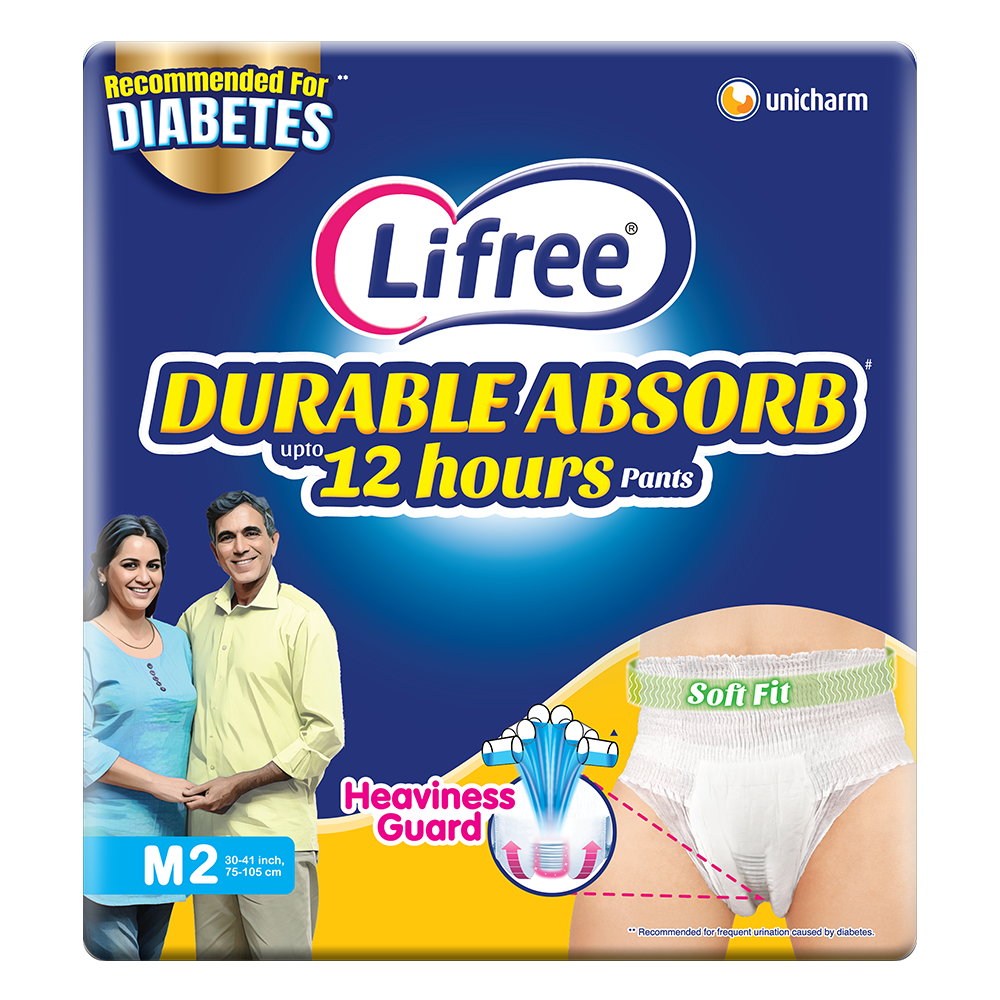 Lifree Durable Absorb upto 12 hrs Pants
12-hours protection 6-glass absorption technology
-
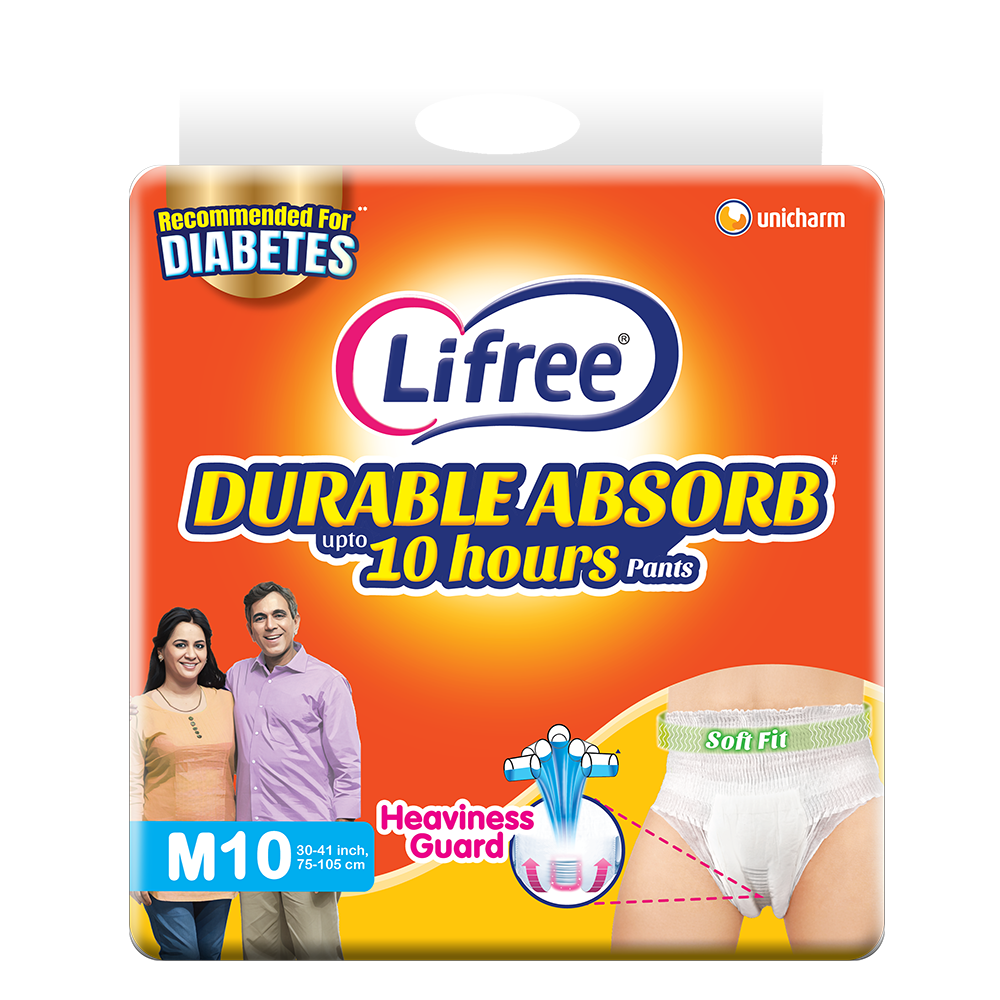 Lifree Durable Absorb upto 10 hrs Pants
10-hours protection 5-glass absorption technology
-
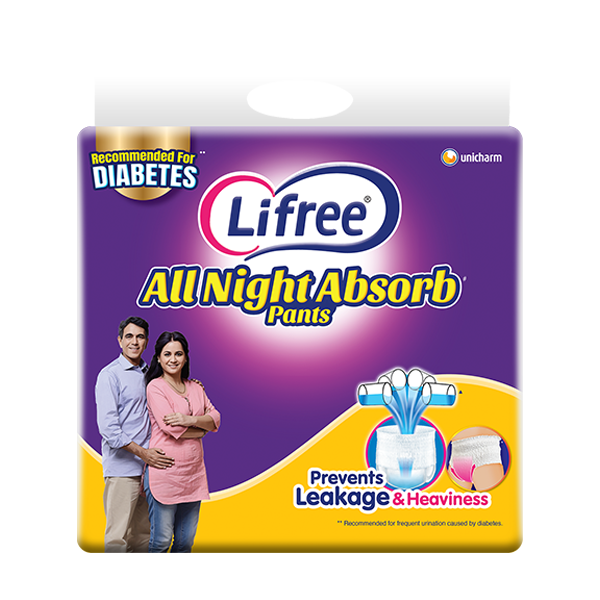 All Night Absorb Pants
8-hours protection 4-glass absorption technology
-
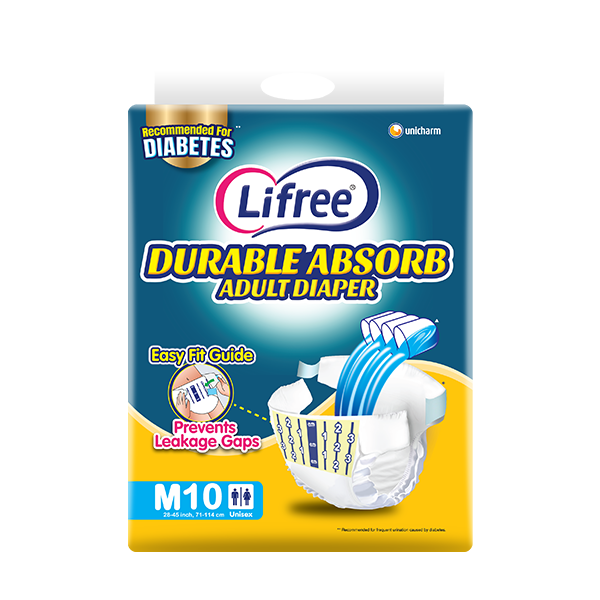 Durable Absorb Adult Diaper
8-hours protection 4-glass absorption technology