




For family members and caregivers, “attending” loved ones with incontinence, offers its unique challenges, especially at night time. Sleep is essential for physical recovery and emotional recovery, but fear of mishaps jeopardizes peaceful nights for everyone. A thoughtful nighttime routine not only limits leaks but also helps your loved one feel secure and taken care of—allowing both of you to enjoy more restful sleep.
If you are a caregiver managing these nighttime concerns, this blog offers easy guidance and helpful tips to bring an easier and more calming bedtime for everyone.
Why Nighttime Can Be Difficult
In contrast to daytime—when normal bathroom trips and clothing changes can be relatively easily accommodated—nights involve longer stretches of inactivity. For the person with urinary incontinence, this can result in heightened concern about leaks, odors, or even skin irritation.
For caregivers, the anxiety of constant checks or shaken sleep can become draining over time.
By establishing a regular, compassionate evening routine, you can do your part to reduce both your own and your loved one’s stress—while keeping them worry free and healthy.
Step 1: Establish a Quiet and Predictable Evening Routine
Begin by establishing a quiet, predictable routine in the evening. Known activities can signal the body and mind that it’s time to relax. This may involve:
-
A light meal (skipping diuretics such as caffeine and alcohol)
-
A warm bath or sponge-down to unwind the body
-
Listening to soothing music, prayer, or light reading
-
Using the bathroom before bedtime to reduce nighttime urgency
A calming routine can decrease anxiety, encourage bladder emptying at bedtime, and help your loved one relax into a more peaceful state.
Step 2: Selecting the Appropriate Incontinence Products
Overnight requires more incontinence products with greater absorbency. Adult diapers such as Lifree’s are specifically designed for nighttime wear. Not only do they offer extra protection, but they also tend to reduce nighttime changes, which can be such a nuisance.
Buy products that have:
-
Higher absorbency for extended wear
-
Breathable materials to minimize skin irritation
-
A close-fitting but comfortable fit to avoid leaks
-
Odor-control features for that extra peace of mind
If you’re a first-time user of incontinence wear, try trial packs or ask your doctor for the correct fit and product type.
Step 3: Safeguard the Bedding Intelligently
Despite an adult diaper that fits well, incontinence accidents do occasionally occur. Rather than fretting, take preventive measures to prevent damage to the bed and simplify cleanups.
Here’s what to do:
-
Place a waterproof mattress protector beneath the bedding
-
Add an absorbent bed pad (disposable or washable) on top of the sheet for easy removal in the event of accidents
-
Have a spare set of sheets, bed pads, and nightclothes within arm’s reach
These easy changes can enable you to act fast in the dead of night without disturbing anyone else or stumbling in the dark.
Step 4: Maintain Skin Health and Hygiene
Long-term exposure to moisture—particularly while sleeping—can result in skin irritation, rashes, or infection. Nightly routine should include tender skin care on your loved one’s part.
Attempt these steps:
-
Gently clean the skin with fragrance-free, alcohol-free wipes at bedtime
-
Use a barrier cream or zinc-based ointment on sensitive areas
-
Promote side lying, if tolerated, to decrease pressure on an area
Skin care is as essential as leak management. A couple of minutes before bedtime can pay a lot of dividends in avoiding misery later on.
Step 5: Have a Night Kit Prepared
To avoid searching through drawers in the dark, put together a mini “night care kit” to have handy. This might be:
-
Extra adult diapers
-
Disposable gloves
-
Wipes
-
Bed pads
-
A spare change of clothes
-
Skin ointment or moisturizer
-
A flashlight or motion-sensor light
Having everything you need ready can allow you to react fast and get back to bed with little ado.
Step 6: Manage Emotional Well-being
Incontinence might create feelings of shame or irritation for the individual involved. That’s why how you react is as important as the products you have.
-
At nighttime, provide reassurance:
-
Gently remind them that accidents are not shameful
-
Talk in a soothing voice and with kindness, particularly with changes
-
Prioritize their well-being, not cleanliness
A comforting word or gentle touch can calm fears and ease your loved one into sleep feeling secure. When they feel supported emotionally, it’s a more positive experience for both of you.
Step 7: Plan for Minimal Disruptions
It’s best if both you and the one you’re caring for can sleep throughout the night. With proper preparation, you might not have to rouse them as often.
A few caregivers find it useful to:
-
Encourage the final bathroom trip 30–60 minutes before bedtime
-
Adjust fluid intake late in the evening (without cutting down on overall daily hydration)
-
Use an absorbent nighttime diaper that can last for 8–10 hours
-
Avoid lifting or changing if absolutely unavoidable
If a mid-night adjustment needs to be made, attempt to maintain low lights and movements softly so as not to wake your loved one completely.
Step 8: Care for Yourself, Too
Lastly, remember that your own health is important. It is harder to be caring when you are tired and overwhelmed. Prioritize your sleep, and if possible, trade off evening tasks with another family member or hire professional help a few nights a week.
Final Thoughts
Controlling incontinence at nighttime can be scary—but with the right planning and compassion, you can make night’s rest more easy for both you and your loved one.
Utilizing appropriate products such as Lifree Adult Diapers, and providing emotional well-being can work wonders in making seniors feel confident, secure, and rested.Your love makes all the difference—and each tiny act of love counts to a big difference in your loved one’s life.
Our Products
-
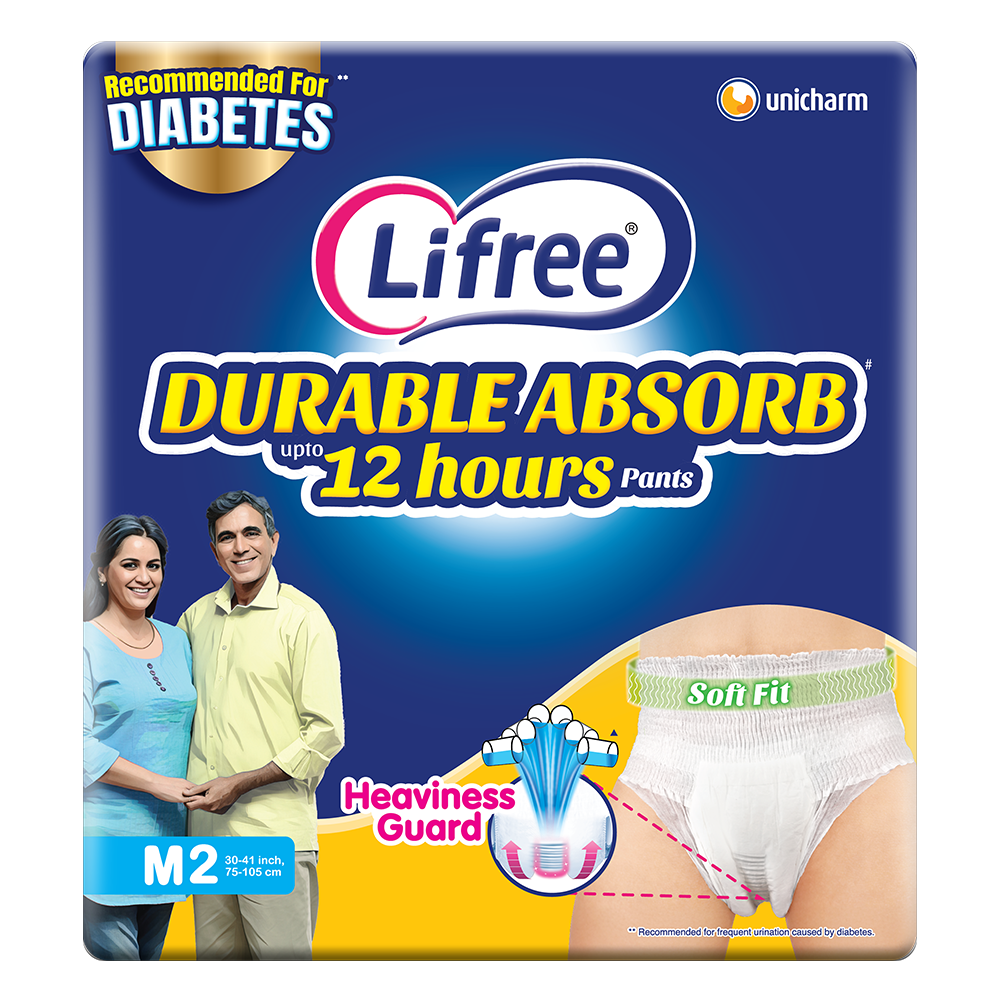 Lifree Durable Absorb upto 12 hrs Pants
12-hours protection 6-glass absorption technology
Lifree Durable Absorb upto 12 hrs Pants
12-hours protection 6-glass absorption technology
-
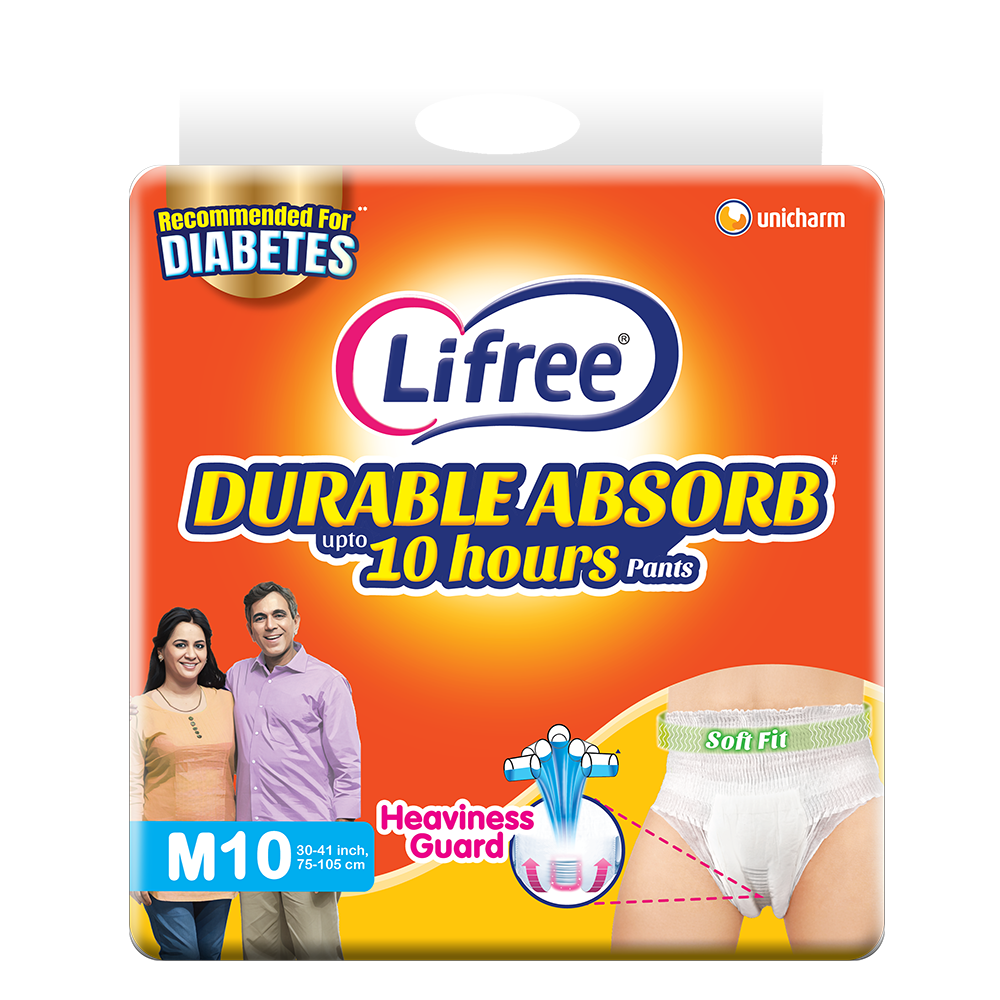 Lifree Durable Absorb upto 10 hrs Pants
10-hours protection 5-glass absorption technology
Lifree Durable Absorb upto 10 hrs Pants
10-hours protection 5-glass absorption technology
-
 All Night Absorb Pants
8-hours protection 4-glass absorption technology
All Night Absorb Pants
8-hours protection 4-glass absorption technology
-
 Durable Absorb Adult Diaper
8-hours protection 4-glass absorption technology
Durable Absorb Adult Diaper
8-hours protection 4-glass absorption technology