
Introduction
Skin irritation can become a recurring concern for adults with urinary or bowel incontinence who use absorbent products regularly. Prolonged exposure to moisture, contact with urine or stool, friction and an unsuitable fit can place stress on the skin barrier and contribute to redness, itching, burning or discomfort.
While adult diaper rash is often associated with moisture and friction, several factors can increase the risk or make irritation more difficult to manage. Understanding the common causes, recognising early warning signs, and following an appropriate adult diaper skin-care routine can help reduce irritation and support more comfortable continence care.
What Is Adult Diaper Rash?
Adult diaper rash is a general term for irritation or inflammation affecting skin covered by an absorbent product, commonly around the buttocks, genital area, inner thighs and hips. It may result from prolonged moisture exposure, contact with urine or stool, friction, or reactions to products.
Incontinence-associated dermatitis (IAD) is a specific form of irritant dermatitis associated with repeated or prolonged exposure to urine or stool. Adult diaper rash can affect anyone who regularly uses absorbent products, not only older adults.
What Causes Adult Diaper Rash and Skin Irritation?
Adult diaper rash causes are often interconnected. Prolonged moisture, contact with urine or stool and friction can weaken the skin barrier, while factors such as limited mobility, diabetes, certain products, and skin sensitivity may increase the risk of irritation.
- Moisture and Prolonged Wetness: Prolonged exposure to moisture can overhydrate and weaken the skin barrier, making it more vulnerable to irritation and breakdown. Trapped urine, stool or sweat can increase the risk of moisture-associated skin damage.
- Friction: Repeated rubbing between the skin and an absorbent product can increase friction, contributing to skin irritation and breakdown. A poor fit may increase rubbing, particularly around the waist and leg openings.
- Contact with Urine and Stool: Repeated or prolonged contact with urine or stool can weaken the skin barrier and increase irritation, particularly when the skin remains moist. Stool can contain enzymes that further irritate vulnerable skin, which is a major contributor to adult incontinence rash.
- Yeast or Fungal Infection: Warm, moist areas can encourage Candida overgrowth. A Candida infection may occur alongside moisture-related skin damage and can cause a bright red rash, itching or burning, sometimes with small red spots or bumps around the affected area. As fungal rashes resemble other forms of dermatitis, persistent or unusual rashes should be assessed by a healthcare professional.
- Allergic Reaction: Fragrances, dyes or other ingredients in some diapers, wipes, cleansers, or detergents can trigger skin irritation or an allergic reaction in individuals with sensitive skin. This may cause redness, itching or discomfort where the product comes into contact with the skin.
Who Is More at Risk of Adult Diaper Rash?
Adults who experience urinary or bowel incontinence, have limited mobility, experience frequent or loose stools, or use absorbent products for prolonged periods may have a higher risk of developing adult diaper rash. Diabetes, recent antibiotic use, sensitive skin, friction, and an unsuitable fit can also increase the likelihood of skin irritation.
| Risk factor | Why it may increase risk |
|---|---|
| Urinary or bowel incontinence | Prolonged exposure to urine or stool can increase skin irritation |
| Limited mobility | May make timely product changes and skin care more difficult |
| Frequent or loose stools | Increases repeated exposure to stool and moisture |
| Diabetes | Can increase susceptibility to certain skin problems and infections |
| Recent antibiotic use | May increase the risk of Candida overgrowth |
| Friction or poor fit | Repeated rubbing can contribute to skin irritation and breakdown |
Common Symptoms and Warning Signs of Adult Diaper Rash
Adult diaper rash can range from mild redness and irritation to more significant skin breakdown. Recognising early signs and symptoms can help you respond with appropriate skin care and seek medical advice when necessary.
Early signs of diaper rash in adults:
- Pink or mildly red skin
- Dryness or small bumps
- Mild itching, burning or discomfort
- Tender or warm-feeling skin
Gentle cleansing, thorough drying and suitable skin protection, such as a barrier cream, may help mild irritation improve.
Severe signs of rash from adult diapers:
- Bright red, raw or visibly damaged skin
- Open sores or skin breakdown
- Significant itching, burning or pain
- Oozing, pus or bleeding
- A rash that spreads beyond the usual area
- Fever or other signs of infection
If any of these appear, it is best to get the area checked rather than continue managing at home. A severe rash from adult diapers involves broken skin or signs of infection that need a healthcare provider’s assessment rather than self-treatment with stronger creams.
How Moisture, Friction, and Urine Contact Affect the Skin
Moisture, friction, and contact with urine or stool can work together to weaken the skin barrier. Moisture makes the skin more vulnerable, friction can increase mechanical damage, and repeated exposure to urine or stool can further irritate compromised skin.
- Moisture: Prolonged moisture can overhydrate and weaken the skin barrier, increasing susceptibility to irritation.
- Friction: Repeated rubbing against damp or irritated skin can increase friction and contribute to skin breakdown.
- Urine and stool contact: Repeated contact with urine or stool can further irritate vulnerable skin, particularly when exposure is prolonged.
How to Prevent Adult Diaper Rash
Adult diaper rash prevention starts with reducing prolonged moisture exposure, friction, and contact with irritants. A consistent adult diaper skin-care routine can help keep vulnerable areas clean, dry, and protected.
Here are some tips that can help in preventing diaper rash in adults:
- Check the absorbent product regularly and change it when it is wet or soiled to reduce prolonged moisture exposure.
- Choose an absorbent product with appropriate absorption and a comfortable fit.
- Gently clean the skin with lukewarm water and a suitable mild cleanser, then pat dry rather than rubbing. Ensure the area is thoroughly dry before putting on a fresh absorbent product.
- Choose a well-fitted product that sits securely without excessive pressure or rubbing around the waist and legs.
- A suitable barrier product may help protect the skin from moisture and irritation.
The goal of adult diaper skin care is to keep the skin clean, dry and protected from the start. For adults managing urinary leakage, the absorbent product itself is an important part of everyday continence care. Lifree adult diapers are designed with up to 12-hour absorption and long-lasting protection to help manage leakage, while the Soft Fit and skin-comfortable materials support comfortable wear. Their Heaviness Guard technology helps guard against heaviness and deformation during prolonged use, helping the product remain comfortable as it is worn.
Treatment Options for Adult Diaper Rash
Adult diaper rash treatment depends on its cause and severity. Basic care focuses on reducing moisture and friction, protecting the skin barrier, and addressing any underlying infection or skin condition when present:
- Keep the area clean and dry and change soiled or wet diapers as soon as possible.
- Apply a barrier ointment, such as one containing zinc oxide, to protect and soothe the skin.
- If inflammation persists despite basic skin care with a barrier cream, a healthcare professional may recommend a low-potency topical corticosteroid for short-term use in selected cases.
- If a fungal infection such as Candida is suspected or diagnosed, a doctor may recommend an appropriate topical antifungal treatment.
For skin irritation from adult diapers, it is worth reviewing the product itself, since fit, material, and absorbency can affect skin comfort and moisture exposure.
See a healthcare professional if the rash persists despite appropriate skin care, becomes more painful or widespread, develops open or oozing areas, or shows signs of infection such as pus or fever. Earlier assessment may be appropriate for people with diabetes or a weakened immune system.
How to Choose Suitable Absorbent Products and Maintain Proper Hygiene
Choosing a suitable absorbent product can help reduce prolonged moisture exposure and friction, while proper hygiene supports the skin-care routine. The right choice depends on absorption needs, fit, comfort and how long the product is likely to be worn.
What Should You Look for in an Absorbent Product?
It’s important to consider a few aspects to ensure fit, usability and comfort are not compromised.
| What to consider | Why it matters |
|---|---|
| Absorption capacity | Helps manage leakage and reduce prolonged moisture exposure |
| Fit | The Soft fit can prevent elastic marks and help minimise leakage |
| Skin comfort | Soft materials can support more comfortable prolonged wear |
| Usage duration | Long-lasting protection may be useful when extended wear is required |
Choosing a well-designed absorbent product plays a direct role in keeping skin healthy over the long term, along with a good hygiene routine. For everyday bladder-leakage management, Lifree brings these considerations together through high absorption capacity, long-lasting protection and dependable leakage protection. Its Soft Fit waistband and soft, skin-comfortable materials support a secure, comfortable fit, while Heaviness Guard helps guard against heaviness and deformation during prolonged use. This combination can support comfortable wear through longer periods of daily activity or rest.
Adult diaper rash can often be managed by reducing prolonged moisture and friction, maintaining appropriate skin care and choosing a well-fitted absorbent product. Persistent, spreading or infected-looking rashes should be assessed by a healthcare professional rather than managed with stronger creams alone. When urinary leakage is also present, suitable absorbent products can provide practical continence support alongside appropriate skin care and diaper rash treatment for adults.
Frequently Asked Questions (FAQs)
Adult diaper rash is irritation or inflammation affecting skin covered by an absorbent product. It can result from prolonged moisture, contact with urine or stool, friction or reactions to certain products. Incontinence-associated dermatitis (IAD) is a specific form associated with repeated or prolonged exposure to urine or stool.
Our Products
-
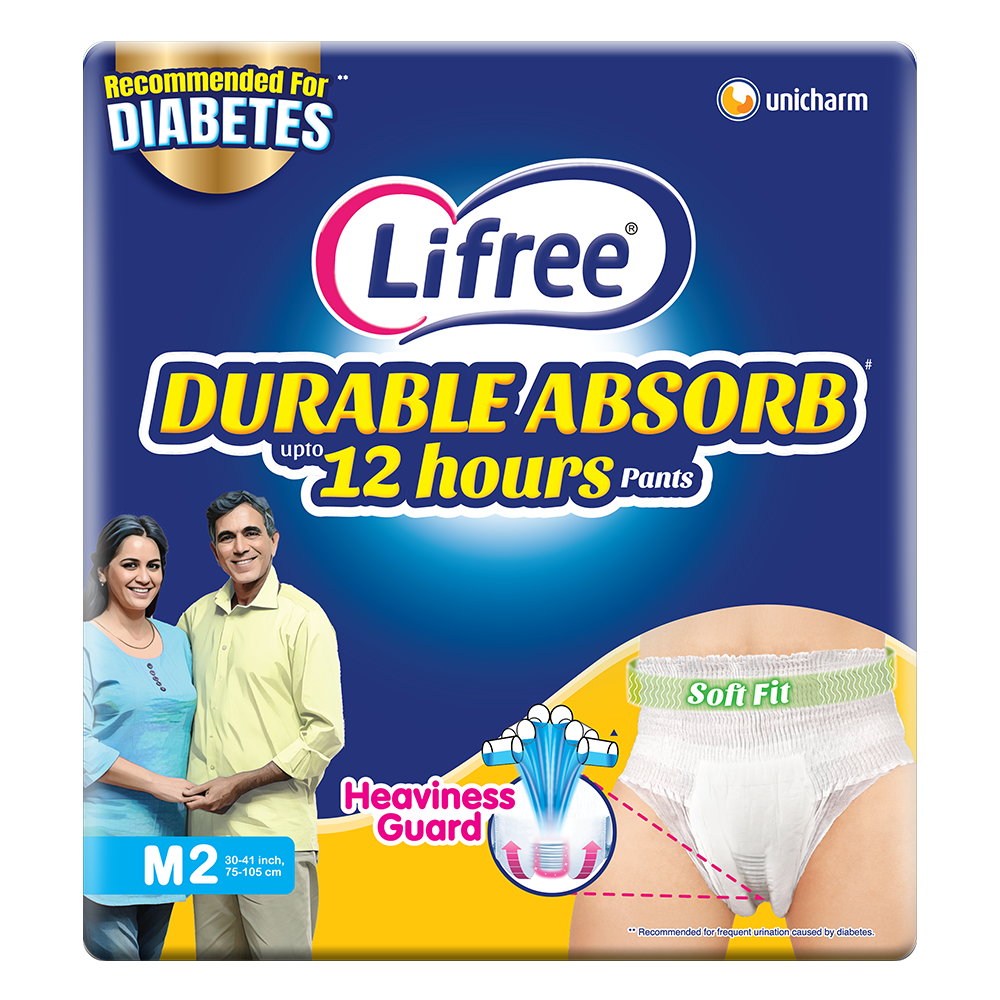 Lifree Durable Absorb upto 12 hrs Pants
12-hours protection 6-glass absorption technology
-
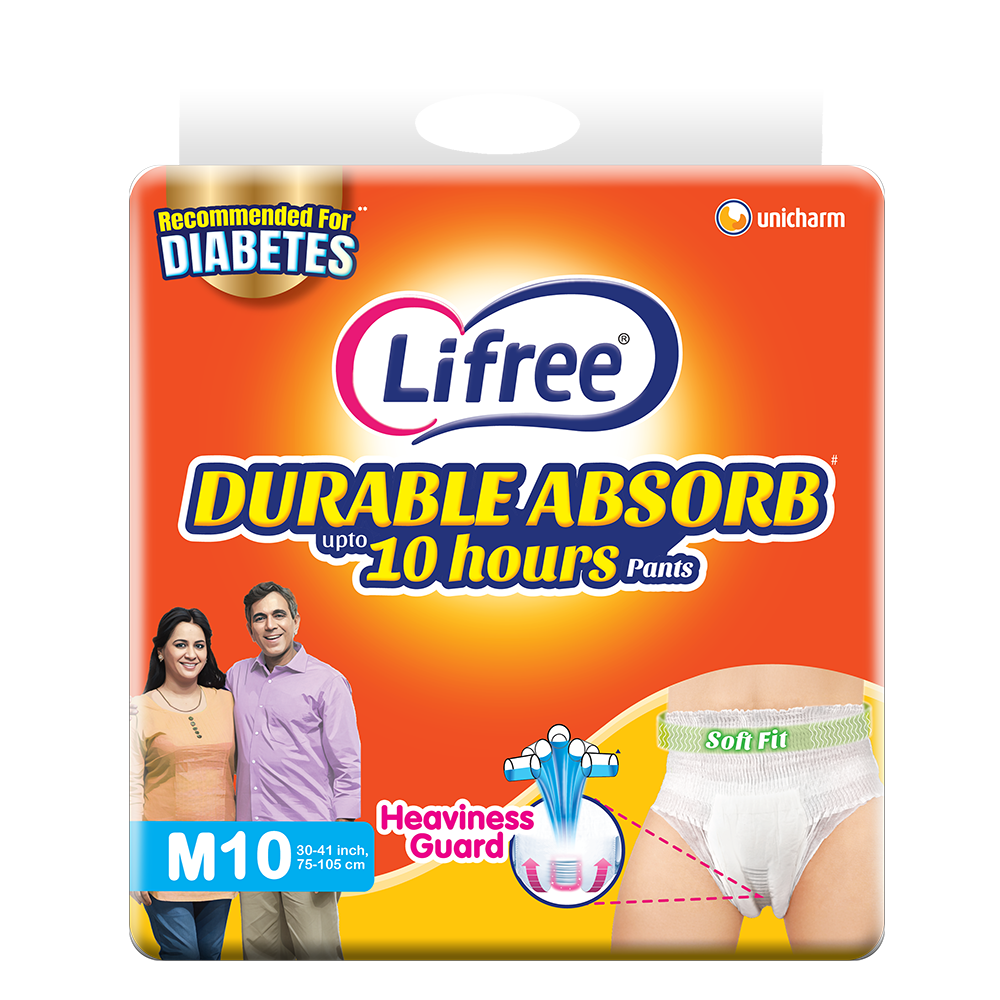 Lifree Durable Absorb upto 10 hrs Pants
10-hours protection 5-glass absorption technology
-
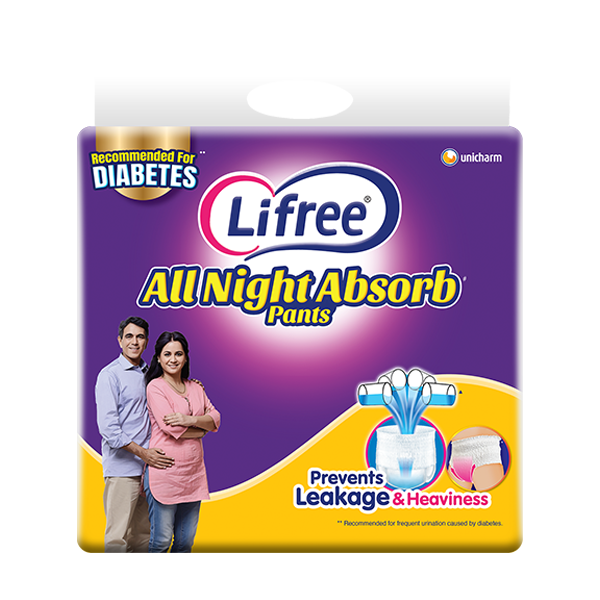 All Night Absorb Pants
8-hours protection 4-glass absorption technology
-
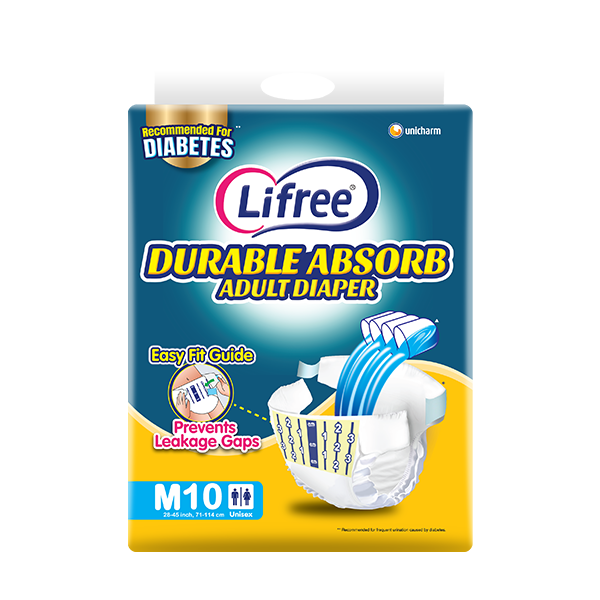 Durable Absorb Adult Diaper
8-hours protection 4-glass absorption technology