



Introduction
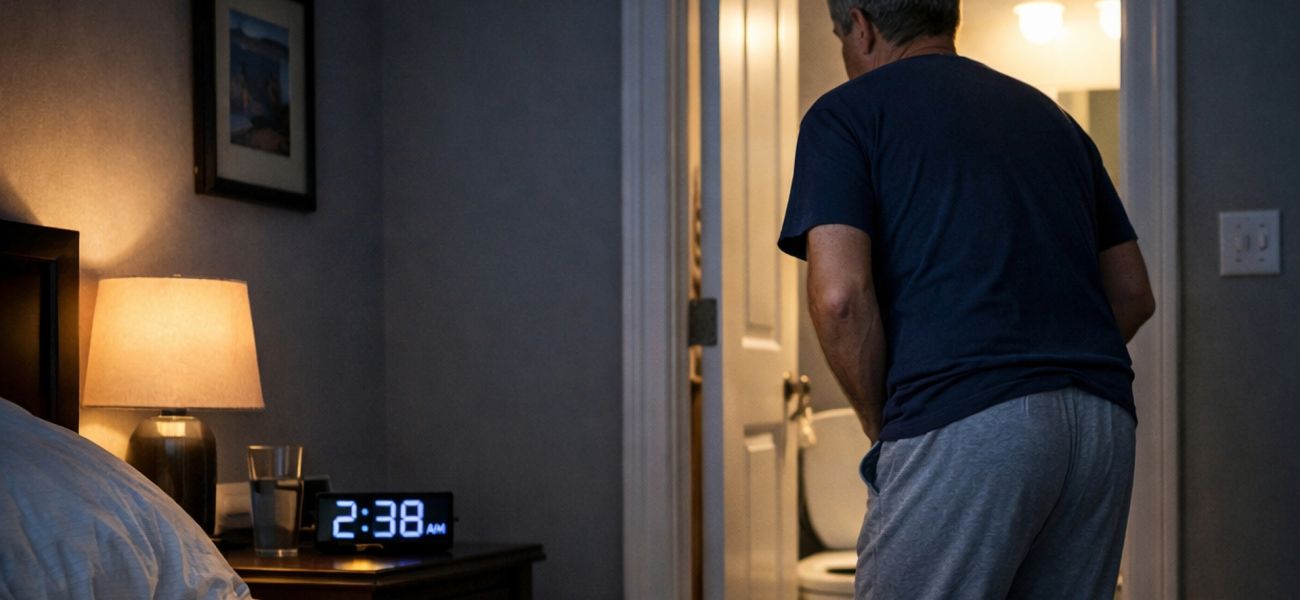
Waking up repeatedly to urinate can turn a full night of rest into a series of interruptions. Frequent urination at night (nocturia) occurs when you wake from sleep to pass urine and can have several possible causes, from evening fluid intake and certain medicines to bladder problems and underlying health conditions.
Nocturia can affect people of different ages and may disrupt sleep, leaving you tired or less focused during the day. Although it becomes more common with age, repeated nighttime urination should not automatically be dismissed as a normal part of ageing.
Understanding how often you wake, how much urine you pass, and whether you have other symptoms can help a healthcare professional identify the possible cause and recommend appropriate nighttime urination treatment.
What is Nocturia?
Nocturia is the medical term for waking from sleep to urinate. Occasional nighttime urination may not indicate a health problem, but repeated waking can disrupt sleep and may be associated with an underlying condition.
Nocturia is a symptom rather than a single underlying condition. It can be associated with changes in nighttime urine production, reduced bladder capacity, incomplete bladder emptying, sleep disorders, or other health conditions.
Repeated nighttime urination can disrupt sleep and contribute to daytime tiredness, reduced concentration, and changes in overall well-being.
Nocturia vs Frequent Urination: What Is the Difference?
Nocturia specifically refers to waking from sleep to urinate, whereas frequent urination can occur during waking hours without interrupting sleep. A person may experience either one or both, depending on the underlying cause. Understanding this difference can help a healthcare professional assess urinary patterns and identify the right treatment approach.
Common Causes of Nocturia
Nocturia can have more than one cause. It may occur because the body produces more urine at night, the bladder cannot store urine comfortably, the bladder does not empty fully, or another condition disrupts normal sleep or urinary function.
Common causes of frequent urination at night include:
| Possible cause | How it may contribute to nighttime urination |
|---|---|
| Diabetes | High blood glucose can increase urine production. |
| Urinary tract infections (UTIs) | Bladder irritation can cause frequent or urgent urination. |
| Overactive bladder | Sudden urinary urgency can lead to repeated bathroom trips. |
| Enlarged prostate | Difficulty emptying the bladder can increase urinary frequency in men. |
| Sleep disorders | Conditions such as obstructive sleep apnoea can be associated with nocturia. |
| Certain medicines | Diuretics can increase urine production. |
| Evening fluids, caffeine or alcohol | Higher fluid intake and some beverages close to bedtime can increase nighttime urination. |
| Pregnancy | Hormonal changes and pressure on the bladder can increase the need to urinate. |
| Age-related changes | Changes in bladder function, sleep patterns, and other health factors can make nocturia more common with age. |
Repeated nighttime urination should be discussed with a healthcare professional if it persists, regularly disrupts sleep or daily life, or occurs with symptoms such as pain or burning while urinating, blood in the urine, or fever.
Why Can Diabetes Cause Frequent Urination at Night?
When blood glucose levels are high, the kidneys may produce more urine as the body attempts to remove excess glucose. This can increase urination, including at night, and may be accompanied by increased thirst, tiredness or blurred vision. If frequent nighttime urination occurs alongside other symptoms of high blood glucose, medical evaluation can help identify the cause and guide appropriate diabetes management.
For some people, frequent urination may also occur alongside urinary leakage or difficulty reaching the bathroom in time. When leakage becomes part of the concern, suitable continence products can provide practical support during the day or night while the underlying cause is being assessed and managed.
Symptoms of Nocturia Beyond Frequent Nighttime Urination
Waking to urinate is the defining symptom of nocturia. Other symptoms or effects of a frequent need to urinate at night may include:
- Passing a large amount of urine at night
- Difficulty returning to sleep after using the bathroom
- Daytime tiredness or sleepiness
- Reduced concentration or energy
- Sleep-related changes in mood or wellbeing and quality of life
These effects matter because frequent nighttime bathroom trips can disrupt normal sleep and affect daytime functioning. Repeated nighttime waking can lead to sleep disruption and make it harder to get adequate rest.
How is Nocturia Diagnosed?
Diagnosing nocturia begins with identifying the underlying cause of frequent urination at night in adults. A bladder diary may record how much you drink, when you urinate, how often you wake at night, approximately how much urine you pass, what you consume in the evening, and when you take certain medicines.
Depending on the suspected cause, a healthcare professional may recommend the following diagnostic steps:
| Diagnostic step | What it helps assess |
|---|---|
| Medical history and examination | Timing and frequency of nighttime urination, fluid intake, medicines, sleep and other symptoms. |
| Bladder diary | Fluid intake, timing of urination, frequency and approximate urine volume. |
| Urinalysis | Infection, blood and other urinary abnormalities. |
| Blood tests | Blood glucose, kidney function or other tests when clinically indicated. |
| Imaging or bladder scan | Whether the bladder is emptying properly or whether another urinary problem is present. |
| Further bladder function tests | Additional assessment of bladder storage or emptying when required. |
Treatment Options for Frequent Urination at Night
Treatment for nighttime urination depends on its underlying cause. A healthcare professional may recommend lifestyle changes, adjustments to medicines, treatment of an underlying health condition, or other targeted therapies, which help reduce frequent nighttime urination.
- Lifestyle Changes: Adjusting excessive evening fluid intake and limiting caffeine or alcohol later in the day may help reduce nighttime urination. If daytime leg or ankle swelling contributes to nighttime urine production, leg elevation or compression stockings may also be recommended by a healthcare professional.
- Treating the Underlying Condition: Managing conditions such as diabetes, urinary tract infections, overactive bladder, sleep apnoea, heart failure or prostate problems may help reduce nocturia when they contribute to the symptoms.
- Medication Adjustments: If a medicine, such as a diuretic, contributes to nocturia, a healthcare professional may advise changing its timing or adjusting the treatment plan. Do not change prescribed medicines without medical advice.
- Medicines for Bladder Symptoms or Nighttime Urine Production: Depending on the cause, medicines may be used to manage overactive bladder symptoms or reduce frequent urination during the night. The appropriate treatment depends on the individual’s symptoms and underlying condition.
Practical Tips to Reduce Nighttime Urination and Improve Sleep
Managing nocturia alongside treatment involves maintaining a regular sleep routine, reducing factors that may increase nighttime urination, and using practical continence support when leakage occurs.
If you are wondering how to stop frequent urination at night, here are some practical tips you can follow alongside medical treatment:
- Shift excessive fluid intake earlier: Stay adequately hydrated during the day but avoid excessive fluid intake close to bedtime.
- Limit caffeine and alcohol in the evening: Caffeine and alcohol later in the day may increase urinary frequency or affect sleep, so limiting them in the evening may help.
- Empty your bladder before bed: Make bladder emptying part of your bedtime routine to reduce the need for an early nighttime bathroom trip.
- Elevate your legs if they swell during the day: If you experience leg or ankle swelling, ask a healthcare professional whether leg elevation or compression stockings may be appropriate.
- Maintain a consistent sleep routine: A regular sleep schedule and comfortable, quiet sleep environment can make it easier to return to sleep after a bathroom trip.
- Consider Absorbent Products: If nighttime urination is accompanied by urinary leakage, adult diaper pants can provide practical support while the underlying cause is being assessed or treated.
Continence Support During Nocturnal Urination
While the underlying cause is being assessed or treated, adult diaper pants can provide practical support when frequent nighttime urination is accompanied by urinary leakage. They do not treat the underlying cause of nocturia but can help manage leakage during daily activities and rest.
For people whose nighttime urination is related to diabetes and accompanied by urinary leakage, Lifree Durable Absorb Pants are designed for frequent urination, particularly at night. They offer up to 12-hour durable absorption, while the Heaviness Guard helps the pants retain their shape during extended use. The Soft Fit waistband is designed for comfort, providing added confidence throughout the night while the underlying cause is being managed.
Frequent urination at night can have several causes, and identifying the underlying reason is an important first step towards appropriate treatment. Lifestyle changes or medical care may help reduce nighttime bathroom trips depending on the cause. If urinary leakage accompanies nocturia, suitable absorbent products can provide practical support while the underlying condition is being assessed and managed.
Frequently Asked Questions (FAQs)
Nocturia is the medical term for waking from sleep to urinate. Repeated nighttime waking can disrupt sleep, particularly when it happens regularly or affects daily life.
Our Products
-
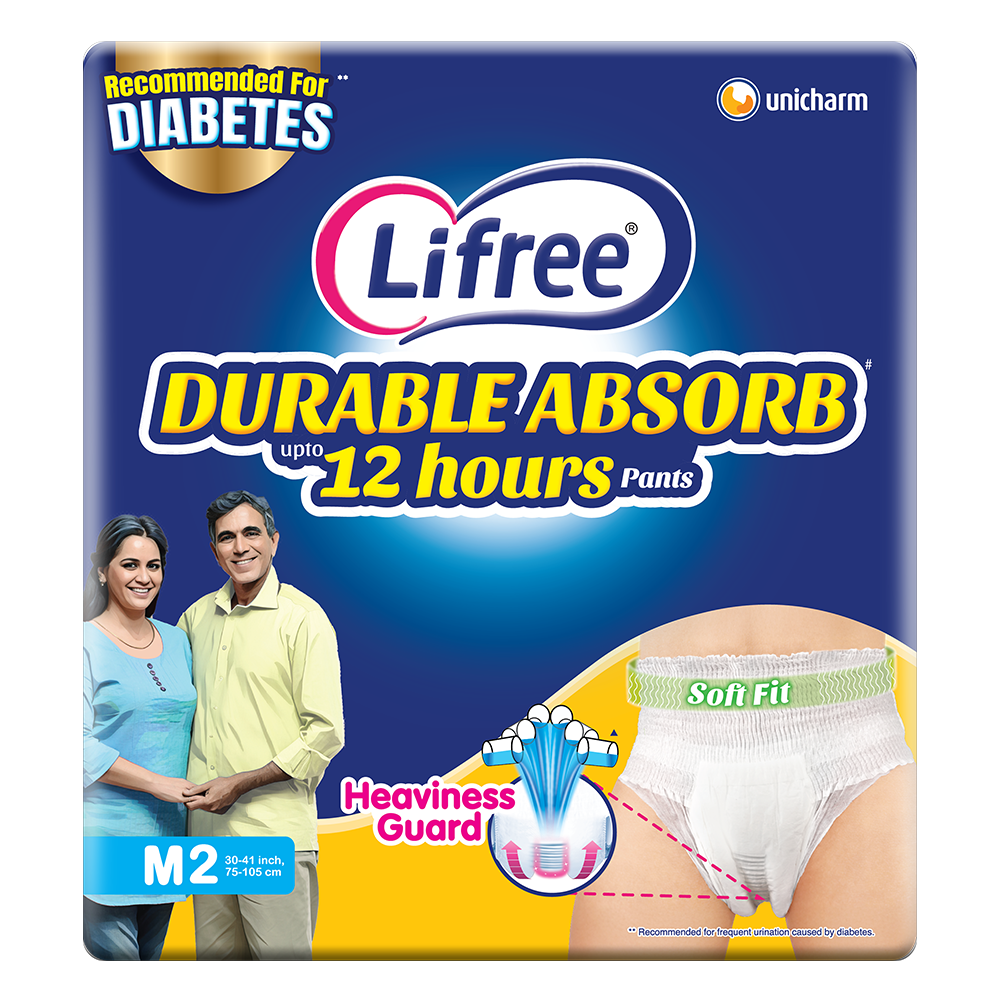 Lifree Durable Absorb upto 12 hrs Pants
12-hours protection 6-glass absorption technology
Lifree Durable Absorb upto 12 hrs Pants
12-hours protection 6-glass absorption technology
-
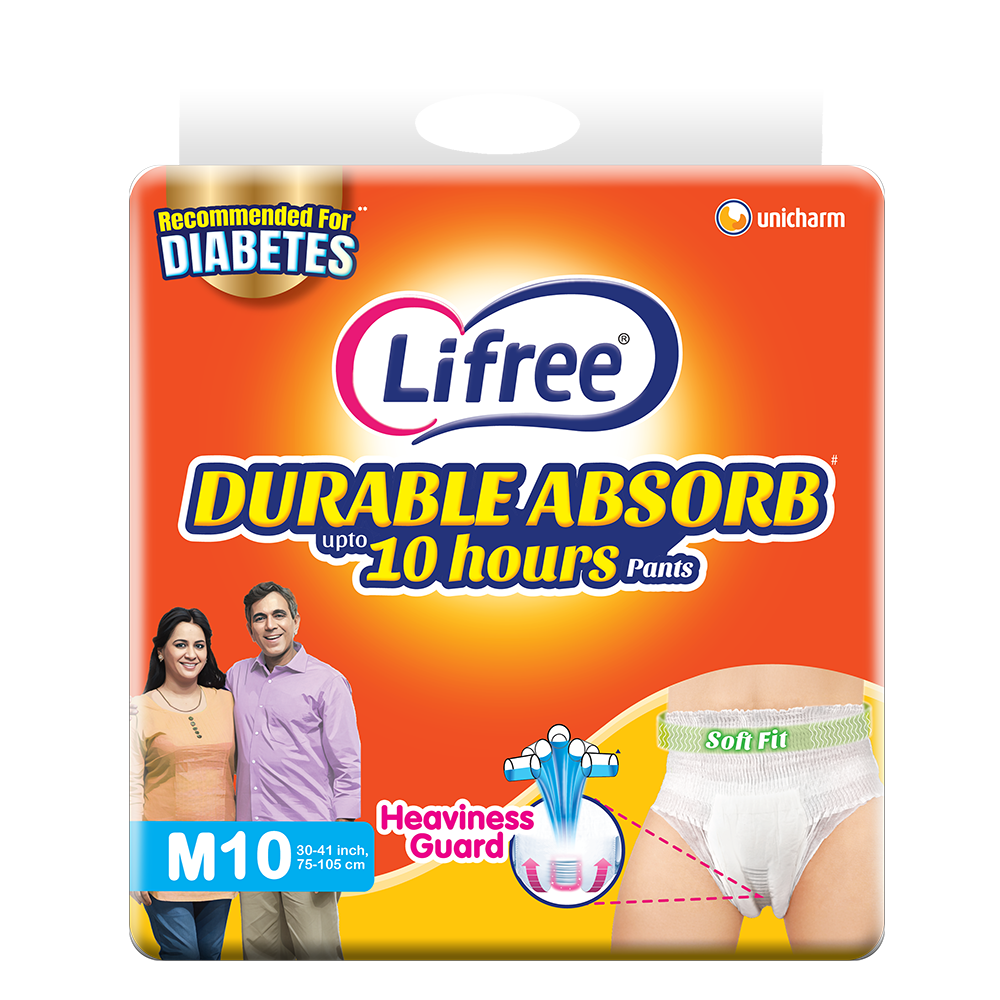 Lifree Durable Absorb upto 10 hrs Pants
10-hours protection 5-glass absorption technology
Lifree Durable Absorb upto 10 hrs Pants
10-hours protection 5-glass absorption technology
-
 All Night Absorb Pants
8-hours protection 4-glass absorption technology
All Night Absorb Pants
8-hours protection 4-glass absorption technology
-
 Durable Absorb Adult Diaper
8-hours protection 4-glass absorption technology
Durable Absorb Adult Diaper
8-hours protection 4-glass absorption technology