



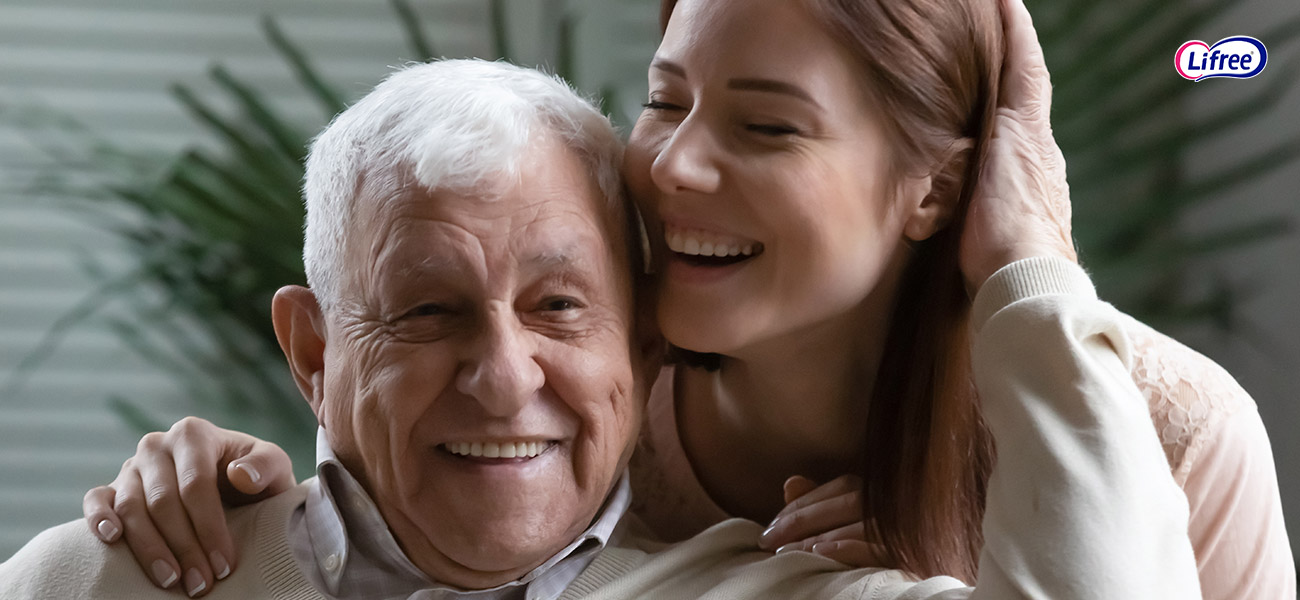
When someone in the family starts dealing with urinary incontinence, things shift. It’s not just a change for them. Everyone around them kind of feels it too.
Now, this isn’t something people find easy to talk about. It’s private. Some might even feel a bit embarrassed. But, truth be told, what really helps here is not advice or silence — it’s empathy.
Families don’t have to do anything complicated. Just learning to respond with a little more patience and sensitivity can honestly change how someone feels on a daily basis.
Let’s talk about that.
First, Understand What They’re Going Through
The one dealing with this isn’t just worried about accidents or rushing to the restroom. There’s more. They’re worried about losing control, about people noticing, or worse — making them feel different.
Even a light comment or joke might hit them the wrong way.
So, the first step is this — pause before reacting. Just try to picture what it’s like for them. Most people don’t ask for help unless they really need it.
Don’t Always Try to Fix It
A lot of times, family jumps in with suggestions. “Go before we leave,” or “Drink less water,” or “You should try xyz.” But sometimes, honestly, people don’t want quick fixes. They want someone to just say — “Yeah, I get it. That must be tough.”
If they’re ready to talk, just listen. You don’t need to offer solutions right away. A little space goes a long way.
Try Not to Make It Awkward
Another thing — let’s not turn this into something dramatic or awkward. It’s a health issue. It’s manageable.
So if someone needs help with cleaning up or changing, do it without making a face. No big emotional moment. Just offer help and move on, like it’s nothing unusual.
That kind of casual support? It means a lot.
Small Things You Can Do That Actually Help
You don’t have to do big stuff. In fact, it’s the small, boring things that show you care. Stuff like:
- Keeping a spare diaper or absorbent pant in the car, just in case
- Not reacting to a small stain or smell
- Offering to handle the laundry quietly
- Picking a seat close to the restroom when you’re out
- Checking if there’s enough stock of what they need at home
You do this, and you’re telling them: “I’ve got your back.”
Teach Others in the House, Softly
If you’re the main caregiver and you’ve figured out a few tricks that help — like better timing, cleaning routines, or which product works — don’t keep it to yourself. Share it. But in a nice, non-bossy way.
You could say things like:
- “I noticed this brand doesn’t leak at night.”
- “He feels less anxious when we don’t rush him in the morning.”
- “Let’s keep this type. She’s more used to it.”
Talk like that, and people learn without feeling corrected.
What About Kids in the House?
If there are kids or teens at home, it’s a good idea to tell them — in a simple, age-appropriate way.
You don’t need to explain everything. Just enough so they understand it’s a health thing, and not something to laugh about. And kids follow the lead of adults. So if we treat it normally, they will too.
Right Products Make Life Easier
Let’s be real — the right product makes a difference. Something like Lifree Adult Pants helps a lot. It absorbs well, fits easily, and gives them more freedom to go about their day without constantly worrying.
It also helps the person feel like they can manage it themselves. That matters more than you think.
Before We Wrap This Up…
Living with incontinence isn’t easy. But what makes it even harder is feeling like your own family doesn’t get it.
The goal isn’t to make someone feel like they’re being taken care of. It’s to make them feel like they’re still in charge — just with a bit of support from people who care.
You don’t need to fix everything. Just be there. Quietly. Kindly. And when they need you — show up without making it a big deal.
That’s empathy. And that’s what really helps.
Our Products
-
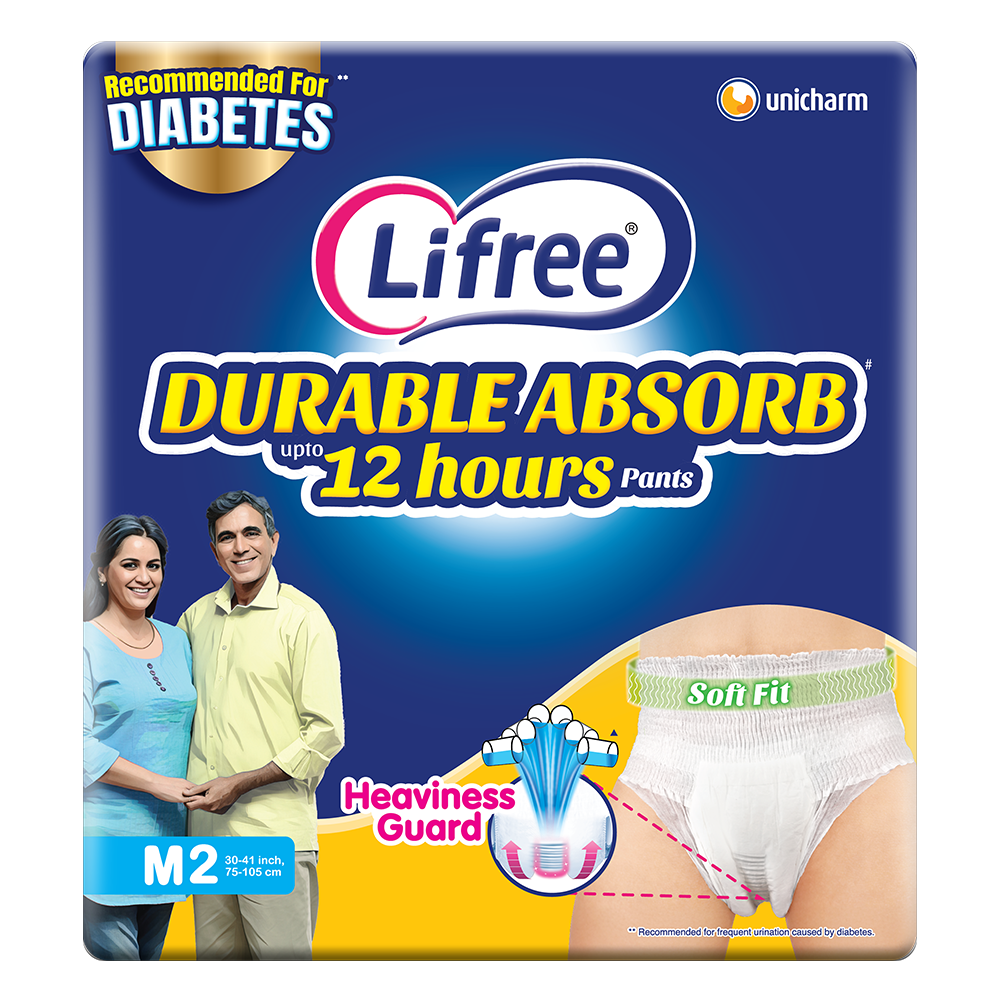 Lifree Durable Absorb upto 12 hrs Pants
12-hours protection 6-glass absorption technology
Lifree Durable Absorb upto 12 hrs Pants
12-hours protection 6-glass absorption technology
-
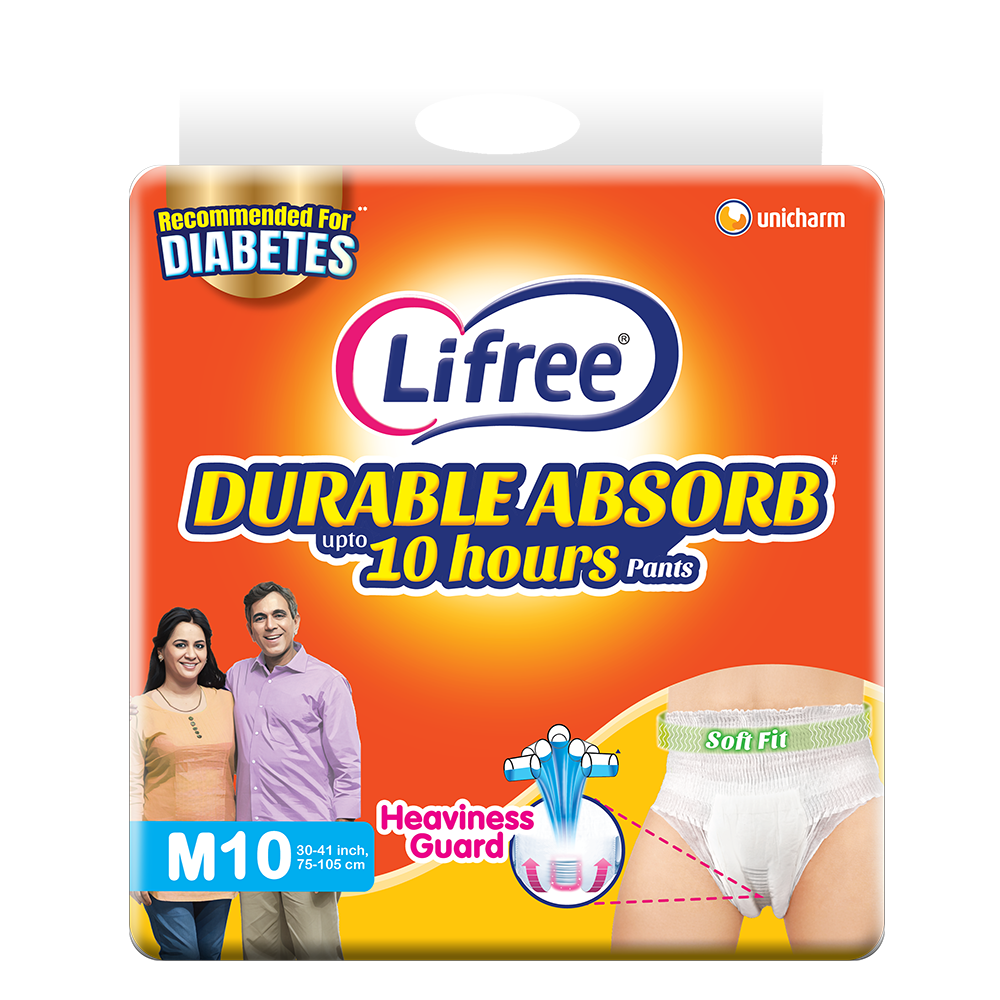 Lifree Durable Absorb upto 10 hrs Pants
10-hours protection 5-glass absorption technology
Lifree Durable Absorb upto 10 hrs Pants
10-hours protection 5-glass absorption technology
-
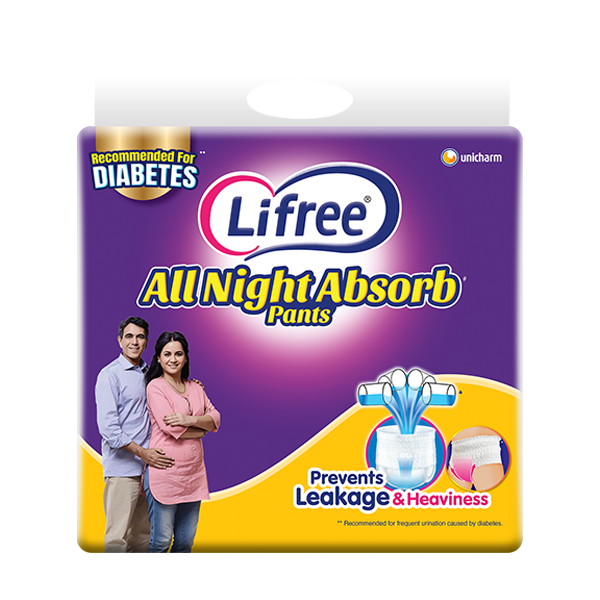 All Night Absorb Pants
8-hours protection 4-glass absorption technology
All Night Absorb Pants
8-hours protection 4-glass absorption technology
-
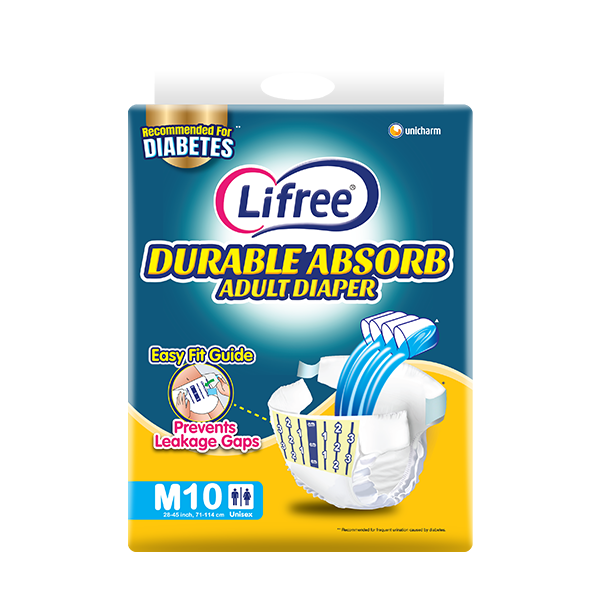 Durable Absorb Adult Diaper
8-hours protection 4-glass absorption technology
Durable Absorb Adult Diaper
8-hours protection 4-glass absorption technology