



This might surprise some folks, but yeah, the pills you take every day? Some of them can actually mess with your bladder control. And most people don’t even realise it.
We usually think of incontinence as something that comes with age, or maybe after surgery. But sometimes, it’s the meds. Could be something you’re taking for BP, anxiety, sleep, or even allergies — they all have a role.
And it’s not like doctors always mention it either.
Wait, My Medicine’s Causing This?
Yep, it happens. Not always, but enough to talk about. Let’s say you’re on a diuretic — that’s a water pill, mostly for high blood pressure or heart stuff. It pushes water out of your system. Great for swelling, not so great for the bladder. You’ll be running to the bathroom more, maybe even urgently.
Or you might be on antidepressants or sedatives. Some of those can relax the muscles around your bladder a bit too much. That means, when you think you’ve got it under control — oops, maybe not.
Even those tiny allergy pills can play a part. They dry up your sinuses but sometimes tighten bladder muscles in a weird way. And there you are, struggling with urgency or dribbling.
But Don’t Just Stop Taking It
Important bit here — don’t panic and stop your meds suddenly. Even if you think it’s causing leaks or urgency, don’t skip a dose. That can mess things up worse. Always, and I mean always, check with your doctor first.
Sometimes they can switch you to another brand. Or lower the dose. Or just change the time you take it. But it needs to be safe, not random.
Keep a Tiny Record — It Helps More Than You Think
Not fancy stuff. Just a few quick notes. When did you take the med? When did the leak happen? Was it worse after a certain pill?
Could look something like:
- Took water pill at 9 am — leaked before noon
- Slept through the night but wet pad after allergy med
- No issues when skipping sedative
This kind of pattern makes it easier for the doctor to figure out what’s actually going on.
There’s Also the Flip Side
Not all meds are the problem. Some actually help manage incontinence — if you talk to your doctor about it. So if bladder issues are messing with your routine, don’t wait for a miracle. Ask. There might be a med that helps tighten control, or relax things if it’s an overactive bladder.
But again, don’t go shopping for solutions on your own. Always get proper advice.
Pair It with Good Habits
Let’s say your medicine does make you leak a bit more — then what? You build your routine around it.
- Use something like Lifree Adult Pants if you’re stepping out — gives you hours of dryness without stress.
- Wear loose cottons — synthetic stuff just traps moisture.
- Carry a backup change and wipes when going out.
- Try to time bathroom breaks around your meds, if that helps.
Basically, make your day work around the situation, not the other way around.
Don’t Feel Weird About Asking
Some folks feel awkward telling their doctor, “Hey, I think this pill’s making me pee too often.”
But here’s the truth — they’ve heard this before. A lot.
Doctors are used to it. They might not bring it up unless you do, but that doesn’t mean they’ll judge you.
So ask. Doesn’t have to be a big dramatic thing. Just a quick “Could this be affecting my bladder?” and you’re good.
Quick Wrap-Up
Medications help, sure. But sometimes they cause little side issues — like incontinence. Doesn’t mean something’s wrong with you. Just that your body’s reacting a certain way.
You’re not stuck though. A few smart tweaks, the right product, and being open with your doctor — that’s all you need.
So yeah, track what’s happening, don’t ignore it, and definitely don’t be shy to ask questions.
You’re not the only one going through this. Promise.
Our Products
-
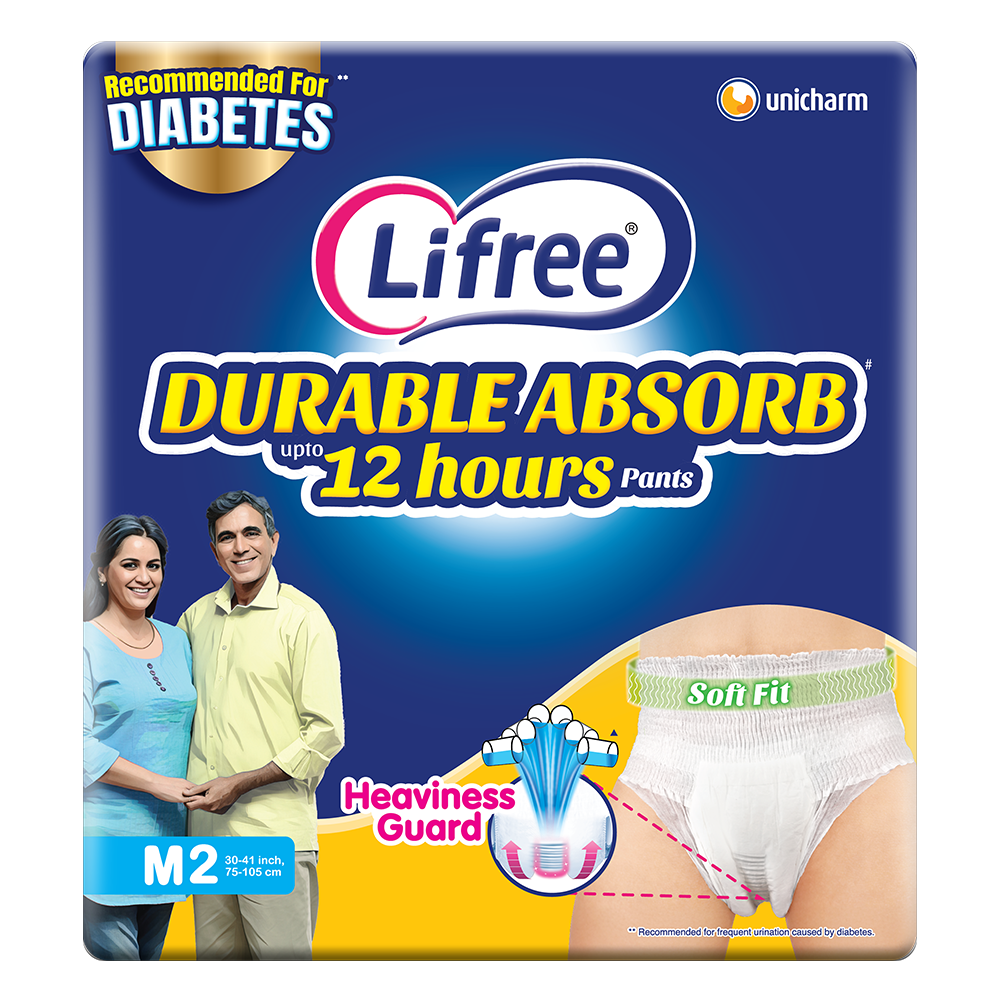 Lifree Durable Absorb upto 12 hrs Pants
12-hours protection 6-glass absorption technology
Lifree Durable Absorb upto 12 hrs Pants
12-hours protection 6-glass absorption technology
-
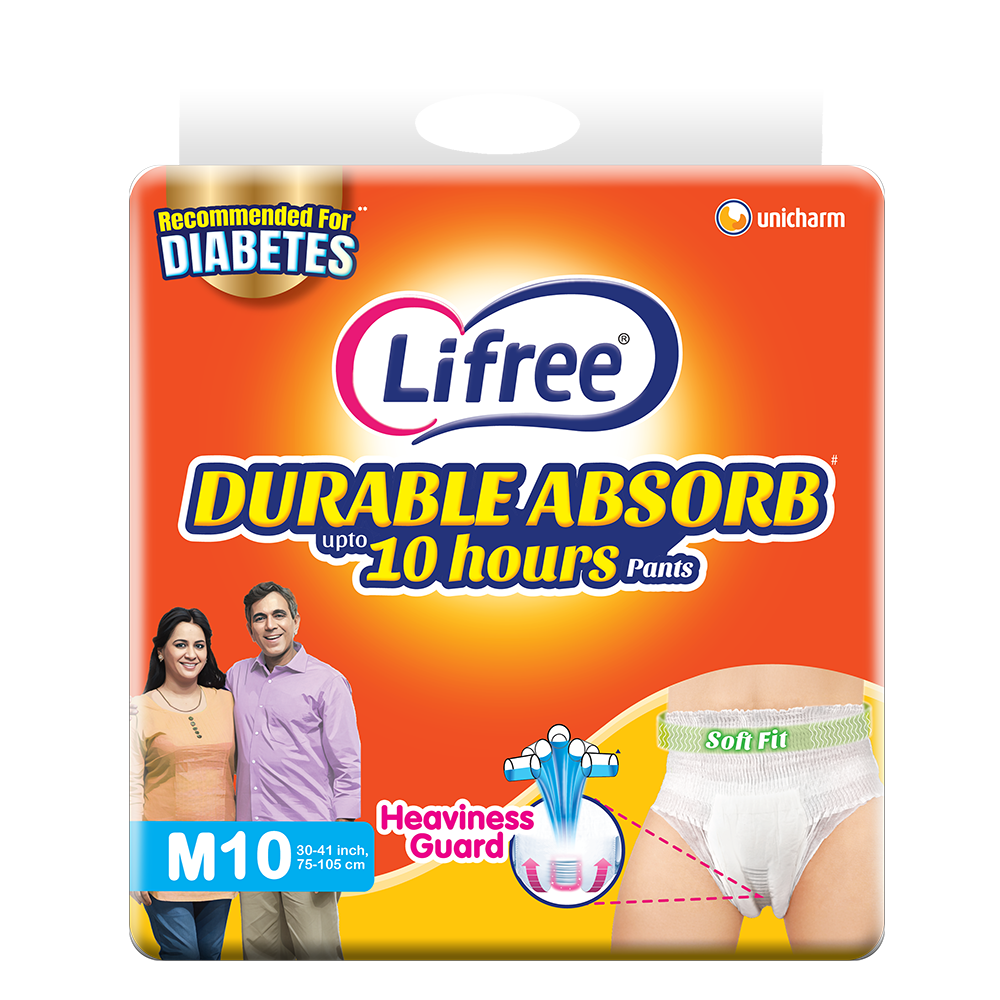 Lifree Durable Absorb upto 10 hrs Pants
10-hours protection 5-glass absorption technology
Lifree Durable Absorb upto 10 hrs Pants
10-hours protection 5-glass absorption technology
-
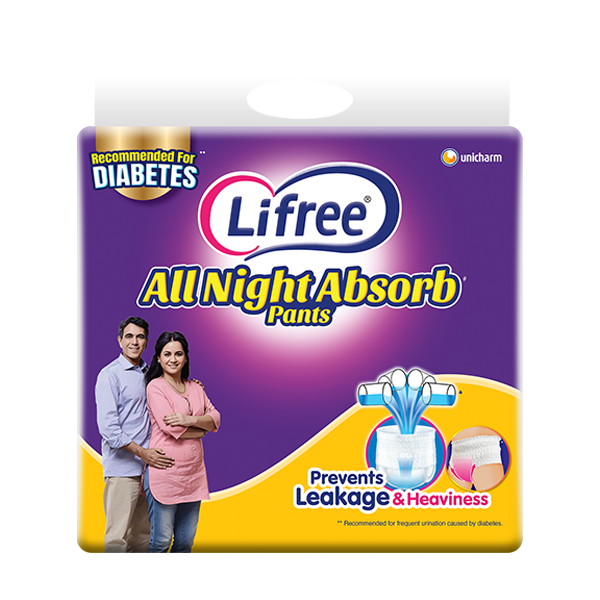 All Night Absorb Pants
8-hours protection 4-glass absorption technology
All Night Absorb Pants
8-hours protection 4-glass absorption technology
-
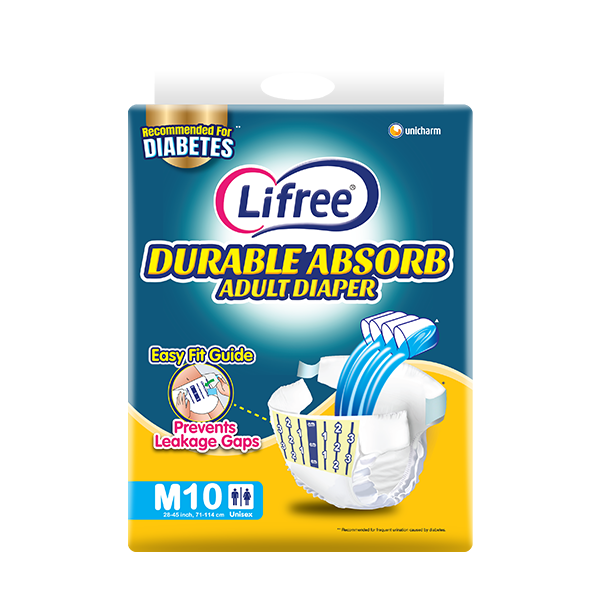 Durable Absorb Adult Diaper
8-hours protection 4-glass absorption technology
Durable Absorb Adult Diaper
8-hours protection 4-glass absorption technology