







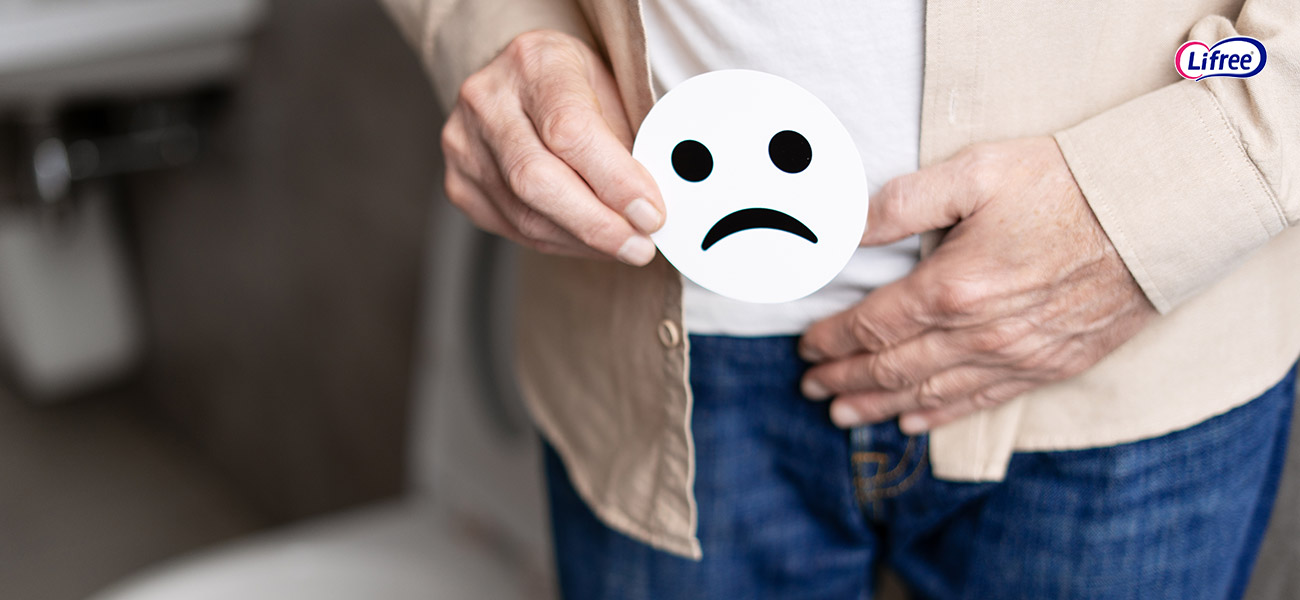
What Are the Symptoms of Incontinence If You Have Diabetes?
A few fundamental signs you must have experienced if you have type 2 diabetes are outlined in this blog. If you go ahead and read it and feel these are relatable and aren’t diagnosed yet. Please go get a consultation and get checked.
Living with diabetes isn’t just about sugar checks. There are these side effects that catch you by surprise. One of them is bladder trouble. Not everyone talks about it, but it happens, and when it does, it can be frustrating.
So how do you know if it’s starting? Let’s walk through some signs.
Sometimes it’s a sudden urge. You’re fine one second, then you feel like, “I need the bathroom right now.” No warning. No waiting. And it happens again and again.
Other times, it leaks. A small laugh, a sneeze, or lifting a bag and… there it is. At first, you think it’s nothing. But if it repeats, it’s not just random.
The thing about diabetes is… the signs sneak in. You don’t always notice them right away. First, it’s thirst. Constant. You drink water, then more, but you are still dry. Then suddenly you’re in the bathroom all the time. At night too. Sleep breaks, up and down. When bladder leaks start becoming frequent or hard to manage, using trusted products available in adult diaper India brands can offer comfort and confidence while you work on long-term diabetes and bladder control management.
Energy? Feels drained. Even if you didn’t do much, you’re tired. Heavy. Some days your eyes go blurry for no reason, like the world’s gone a bit foggy.
Small wounds take forever to close. A tiny cut feels like it’s hanging around for weeks. Weight also shifts — some lose without trying, some gain slowly.
And that weird tingling in hands or feet? Almost like pins and needles that don’t really go away. That’s another signal.
Not everyone gets all of this. Sometimes it’s just one thing, many. But when they pile up, you know something’s off.
Then there’s the night trips. Waking up two, three, maybe four times. You lose sleep, and mornings feel heavy. Diabetes pushes the kidneys to work harder, so your bladder fills quickly.
Another thing is that “not empty” feeling. You go, but it still feels like something is left. It makes you feel like you are not completely satisfied, and you start noticing it more.
And yes, infections. UTIs keep coming back. Burning, irritation, more urgency. High sugar makes it easier for bacteria to grow, and that only makes the bladder problems worse.
None of this means you can’t manage it. It just means you should pay attention. Keep blood sugar steady — that helps a lot. Drink water, but space it out. Cut down on sodas and strong coffee. Small steps matter.
And if leaks happen, don’t stress. There are products, pads, and briefs — they keep you comfortable, let you go about your day without worry.
Bottom line? If you’re spotting these signs, don’t brush them off. Diabetes management isn’t only about sugar levels. Your bladder health matters too. Talk to your doctor, get advice. With a bit of care, you can handle this without letting it run your life. And if leaks are affecting your routine in the meantime, using diapers for elders can provide comfort and confidence while you work on long-term treatment and lifestyle changes.
FAQ’s
2. What are the common urinary symptoms someone with diabetes should watch out for?
Frequent urination (day and night), sudden strong urges to pee, difficulty controlling the urge, leaking when you can’t reach a toilet, or dribbling even after urination — these are all common red flags. Some may also feel the bladder never empties fully, or wake up at night many times to urinate.
3. Can diabetes cause different types of incontinence?
Yes. Diabetes can lead to urge incontinence (sudden need to pee), overflow incontinence (bladder doesn’t empty properly), or mixed forms — especially if nerve damage affects bladder muscle and sensation. It can also lead to an overactive bladder, where the bladder contracts too often or involuntarily, causing urgency and leaks.
4. Why might some diabetics not feel when their bladder is full?
High blood sugar over long periods can damage nerves that control bladder sensation (autonomic neuropathy). As a result, the bladder might stretch without sending a proper signal to the brain — causing you not to realize when it’s full, leading to overfilling, leakage, or difficulty starting urination.
5. Does frequent urination always mean incontinence in a diabetic person?
Not necessarily. Frequent urination may simply be your body’s way of getting rid of excess glucose (“polyuria”), especially when sugar is high. Incontinence, however, involves loss of bladder control — leakage, urgency, inability to hold urine — often due to nerve or bladder muscle dysfunction.
6. Are both men and women with diabetes equally at risk of bladder problems and incontinence?
Yes — both men and women with diabetes face increased risk. Nerve damage, bladder dysfunction and overactive bladder from diabetes affect urinary control regardless of gender. However, additional factors — like prostate issues in men, pelvic floor weakness in women — may influence how symptoms show.
7. Can urinary infections or other complications worsen incontinence caused by diabetes?
Yes. People with diabetes are more prone to urinary tract infections (UTIs) because high blood sugar can impair immune response and cause improper bladder emptying. UTIs can irritate the bladder, increase urgency or frequency of urination, and trigger or worsen leakage.
8. Is incontinence due to diabetes reversible or manageable?
In many cases — yes. When blood sugar is controlled, and other contributory factors (nerve health, bladder habits, hydration) are addressed, incontinence symptoms can improve or become manageable. This often involves lifestyle changes, bladder training, timely treatment of UTIs, and support through protective products or therapies.
9. When should a diabetic individual consult a doctor about urinary symptoms?
If you regularly experience uncontrolled leaks, sudden strong urges, persistent dribbling, incomplete bladder emptying, or frequent nighttime urination — it’s wise to seek medical advice. These could be signs of bladder nerve damage, overactive bladder, or other complications. Early evaluation helps determine causes (nerve damage, UTIs, bladder dysfunction) and guide treatment.
10. What lifestyle or behavioural changes help manage or reduce incontinence risks for diabetics?
Maintaining stable blood sugar, staying hydrated but not over-hydrating, avoiding bladder irritants (caffeine/alcohol), practising pelvic-floor exercises, and regular gentle physical activity can help. Also, timely treatment of UTIs and maintaining a healthy weight reduce pressure on the bladder and improve control — lowering the chance or severity of leaks.