



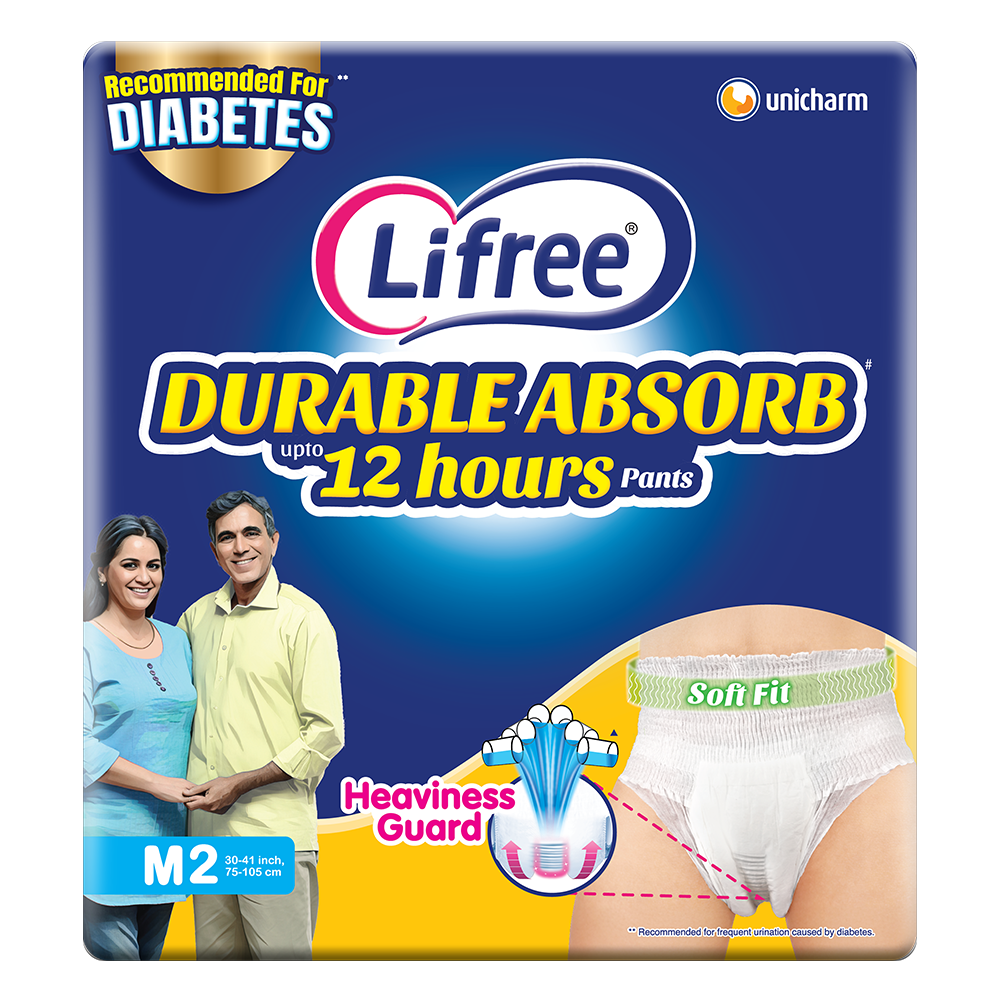
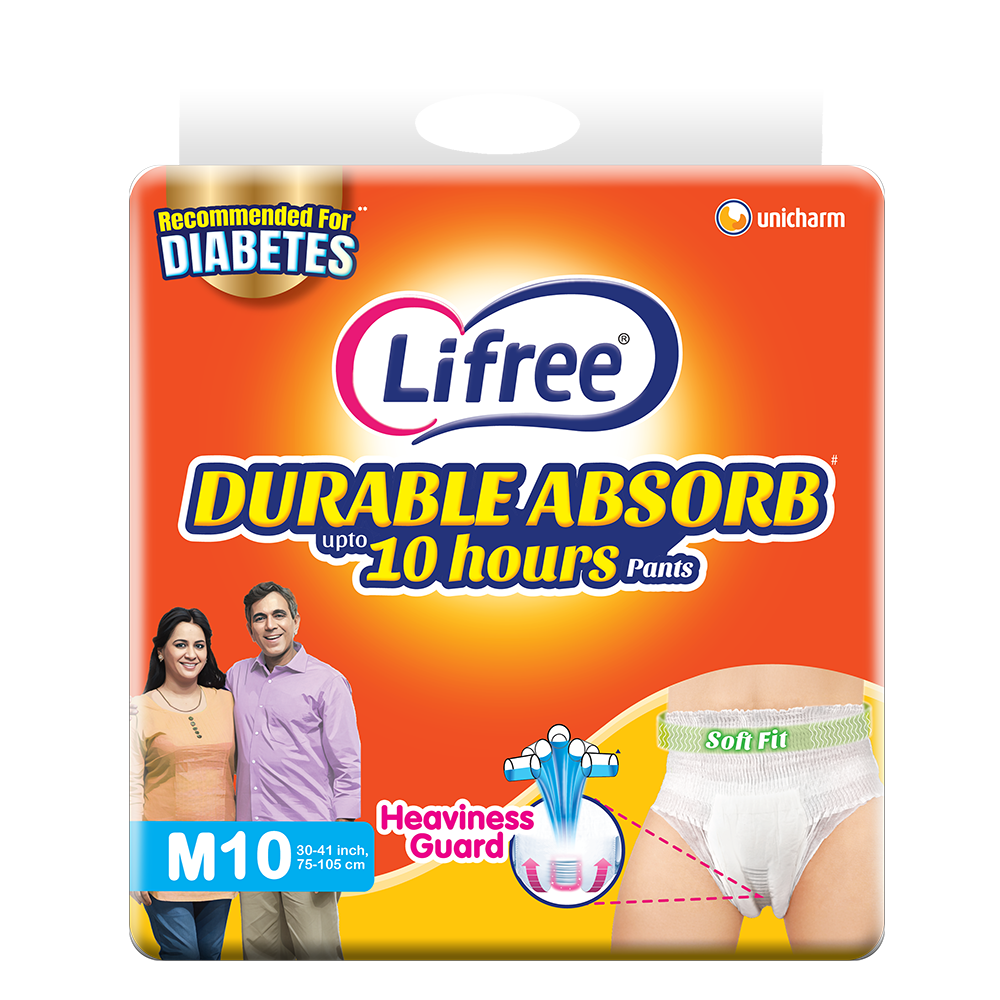



Choosing the Right Adult Diaper for Active Diabetic Adults
Living with diabetes is a bit of a balancing act. You watch what you eat, check your sugar, try to stay active — and still, some things feel out of your hands. One of those can be bladder control. It catches many people off guard. You’re going about your day, and suddenly you need to find a restroom. Or you notice small leaks when your sugar levels fluctuate. It happens more often than people talk about.
And that’s okay. It’s just another thing the body does when it’s asking for balance.
How Sugar Levels Affect the Bladder
When blood sugar stays high for a while, it can start to affect the nerves that help your bladder work properly. The signals slow down a little, which means the bladder doesn’t always empty the way it should. Over time, that leads to leaks or sudden urges. You might even notice this before your sugar readings change much — one of those early symptoms of sugar imbalance that are easy to overlook.
For women, pregnancy sugar symptoms can bring a similar story. The mix of changing hormones and higher sugar levels sometimes causes frequent urination or light leakage. It’s tiring, yes, but knowing why it’s happening makes it easier to deal with.
The first step in dealing with it is choosing the right diaper, adult diapers are designed to absorb urine and quickly dissipate the wetness from it, often people are hesitant to use adult diapers but here is why Lifree has lead a decade of innovation in this field to help cater people and bring them out of hesitation towards a more free and worry-less with a customized diaper for each individual.
Let’s get started with what works for you.
Picking a Diaper That Works for You
There’s no single “best” diaper for everyone. It depends on how your day looks.
Absorbency comes first.
If you’re out for long hours, you’ll want something that stays dry quickly. Skin that’s already sensitive from diabetes needs that extra care.
Softness matters too.
A cottony or breathable material helps prevent rashes and keeps you comfortable. Nobody wants something that feels heavy or rough.
Think about freshness.
A good diaper should manage odor and stop bacteria from building up. That small detail makes a huge difference in confidence.
And, of course, the fit.
You should be able to walk, bend, even stretch without worrying about it shifting. The right fit feels like regular clothing, not medical gear.
Living Your Day, Your Way
Diabetes can make you cautious, but it shouldn’t slow you down. A well-chosen diaper can give back that sense of ease — the freedom to work, travel, or meet friends without second-guessing every step. It’s not just about managing a condition; it’s about making comfort part of your routine.
Because when you feel at ease, everything else in life flows a little smoother.
Lifree brings you diabetes recommended diapers for the first time, with a wetness indicator and all night usage, which helps you stay worry free.
Start living a calm, uninterrupted life with night’s sleep and all-night protection.
This diaper offers great absorption and retention to keep you dry and comfortable for up to 8 hours*, ensuring no leaks through the night.
At the end it’s about living life with less complications and systems to make things manageable.
FAQ’s
2. How important is the diaper’s material and softness for people with diabetes?
Skin of diabetic individuals can be more delicate and prone to irritation. A diaper with soft, breathable material minimizes friction and allows air circulation, reducing chances of rashes or discomfort — something Lifree emphasizes when recommending adult diapers. A gentle inner lining also helps prevent skin breakdown, ensuring hygiene and comfort even with frequent diaper changes or long-term use.
3. Why does the fit of an adult diaper matter more than just size?
A well-fitted diaper should feel snug without being tight. If it’s too loose — gaps around thighs or waist — leaks can escape. If too tight, it can cause discomfort or skin marks. As per general incontinence-care guidance, correct leg-cuff and waistband fit ensures secure containment, preventing shifting while walking or bending. For active users, a good fit makes the diaper feel more like regular underwear than medical gear.
4. What type of adult diaper (pant-style vs tape-style) suits active diabetic adults better?
For active, mobile adults — especially those moving, working, or travelling — pant-style (pull-up) diapers are usually recommended because they resemble underwear, are easy to wear/remove, and offer discreet protection under normal clothes. Tape-style diapers, while often more absorbent and suitable for immobile or bedridden individuals, may feel bulkier and less discreet for active lifestyles.
5. How often should adult diapers be changed to ensure hygiene and skin health?
Even with high-absorbency diapers, it’s important not to wait too long to change them. Prolonged exposure to moisture can lead to skin irritation, rashes or infections — a concern especially for people with diabetes whose skin may be more sensitive. Frequent checks and changes help maintain skin health and avoid discomfort. Also, using breathable diapers and proper hygiene during changes reduces irritation risk.
6. Can using adult diapers help a diabetic adult remain active and confident despite incontinence?
Yes — one of the key messages of the Lifree blog is that the right adult diaper lets diabetic adults go about their day without worrying about unexpected leaks or bladder control issues. A good diaper helps maintain dignity, comfort and social confidence — enabling work, travel, outings or daily tasks without disruption. This psychological comfort can significantly improve quality of life for those managing both diabetes and incontinence.
7. What features beyond absorbency should one look for in an adult diaper for diabetics?
Important features include breathable fabric to prevent skin irritation, odor control to maintain freshness and confidence, and a secure fit so the diaper stays in place during movement. Lifree emphasizes that a diaper should remain comfortable even when bending, walking or stretching. Also, leak guards or secure leg-cuffs add extra protection — especially during long use or overnight.
8. Are there different diaper needs for day use vs night use in diabetic adults?
Yes. Day-use diapers ideally prioritise discretion, flexibility, and comfort for mobility — so pant-style, moderate-absorbency diapers are often best. For overnight or long-duration use (sleep, travel), higher absorbency or “overnight” variants are preferable to handle longer wear time and prevent leaks while the user sleeps. This approach balances comfort, hygiene, and leak protection.
9. How do you choose the right size to avoid leaks or discomfort?
Measure waist and hip accurately and consult the diaper’s sizing chart. The diaper should sit snugly but comfortably, with leg cuffs sealing around thighs without leaving marks. A diaper that’s too large may leak; too tight can cause pressure or skin issues. Manufacturers often provide size guides to aid selection. Trying a small pack first to test fit and comfort before bulk buy is advisable.
10. Does using diapers mean giving up on treating incontinence — or is it part of a management strategy for diabetics?
Using a good adult diaper is not surrendering; it's a practical, dignity-preserving support while managing underlying issues. For many diabetic adults — especially when nerve or bladder control problems are at play — diapers provide consistent protection while they work on glucose control, lifestyle modification, and bladder health. According to expert guidance, diapers are one of the least intrusive tools in incontinence care, allowing flexibility without stigma.