







Why You’re Urinating Frequently at Night: The Hidden Link Between High Blood Sugar and Nocturia
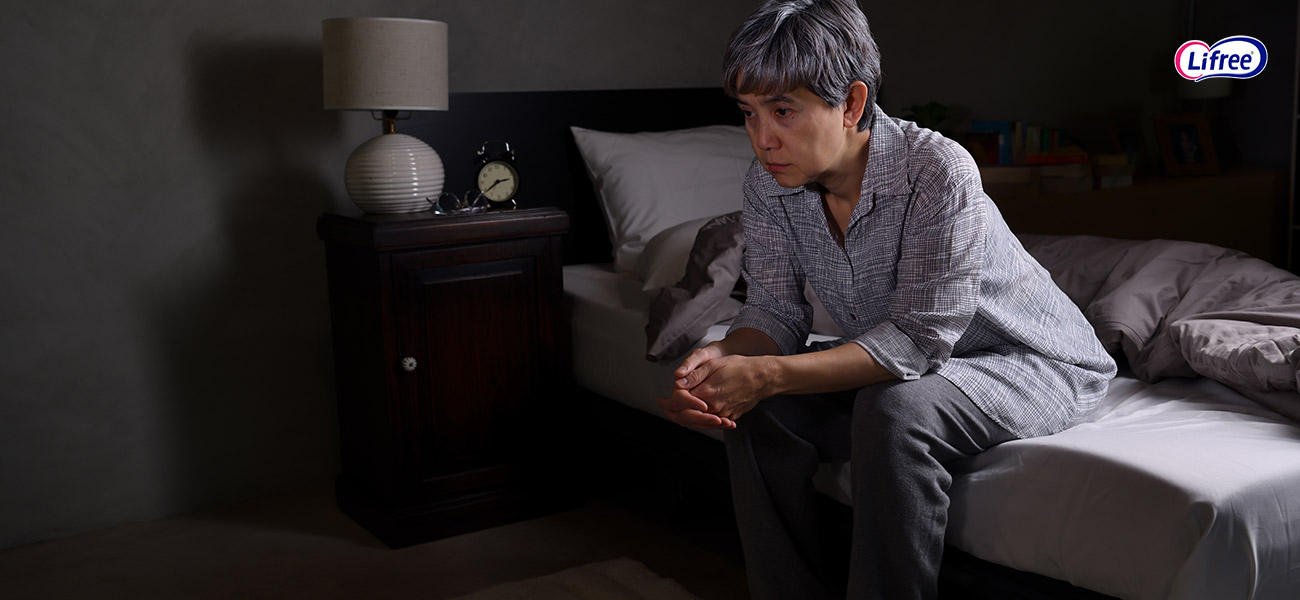
There’s this moment that happens once in a while. You’ve finally found that sweet sleeping spot—half under the blanket, eyes closed, thoughts fading—and then your bladder decides otherwise. You, unfortunately, have to get up, tell yourself it’s probably the extra water, and go to the loo. But if this keeps happening regularly at night, especially for older adults who may already rely on solutions like elderly diapers for reassurance, it’s time to listen to what your body is trying to tell you.
It isn’t always about hydration or age. More often than we realise, our body is trying to tell us about blood sugar.
The Overlooked Sign of High Blood Sugar
Ask around and you’ll hear the same checklist for high blood sugar symptoms: feeling tired, thirsty all the time, maybe a bit of blurry vision now and then. But the sign that sneaks up first? Those late-night bathroom trips you start brushing off as nothing.
When blood sugar climbs, your kidneys are the first ones to start helping. They try to flush out the extra sugar, and water follows along. That’s why you end up peeing more. It’s just your body trying to find balance. Waking up at night because of this condition, well iit has a name. It’s called nocturia.
It’s comes with daibetes, but not something to shrug off if it keeps showing up. Especially when it comes with tired mornings, constant thirst, or small weight changes that don’t add up.
The Loop You Don’t Want to Be In
Here’s the tricky part: nocturia and blood sugar feed into each other. Waking up multiple times a night messes with deep sleep, raises stress hormones, and throws off how your body manages glucose.
Less sleep leads to higher blood sugar. Higher blood sugar leads to less sleep. It’s a loop that drains your energy and leaves you waking up tired, no matter how early you went to bed.
What Can You Do
Start simple. You don’t need an app or a log, just notice. How many times are you waking up? What happens before that? Sometimes it’s small stuff like a late-night chai, a heavy dinner, a sweet drink before bed.
But if you’re getting up more than twice a night, that’s your sign to look closer. Maybe check your blood sugar. Not out of worry, out of curiosity. Your body may be trying to tell you something for a while. This is how you finally notice.
If you’re reaching for water but it never really helps, that’s your body trying to find balance. Then come the tired mornings, the dry mouth, the small weight shifts. It adds up slowly, the way the body always does before you notice.
It’s Not Blame, It’s Awareness
It’s a common misconception that high blood sugar is an issue reserved for those who indulge in too much sugar. Truth is, it’s rarely that neat. Stress, poor sleep, odd meal timings, even genetics all have a say. You could be doing most things “right” and still have your body acting out of sync—sometimes leading to night-time urination concerns where solutions like diapers for elderly become an important part of maintaining comfort and dignity.
So yeah, waking up to pee sounds small. But when it’s happening night after night, it’s your body knocking, softly at first. Better to answer now than wait for it to start pounding on the door.
FAQ’s
2. Why does diabetes cause frequent urination at night?
In diabetes, especially when blood sugar is high, the kidneys filter more glucose than they can reabsorb. This leads to greater urine production as water follows sugar into the urine. This process results in increased urination frequency, including at night. Persistent nocturia may signal the need to check and better manage blood glucose levels with your healthcare provider. WebMD
3. How many times a night is considered nocturia?
Waking up once occasionally may be normal, but having to urinate more than once or multiple times every night is usually considered nocturia. Frequent nighttime bathroom trips can disrupt sleep patterns and daytime functioning. If this happens nightly or becomes bothersome, it’s advisable to assess underlying causes like high blood sugar or other health conditions. Cleveland Clinic
4. Are there causes of nocturia besides high blood sugar?
Yes. Frequent nighttime urination can also be influenced by excessive evening fluid intake, caffeine and alcohol, sleep disorders, aging, urinary tract infections, bladder or prostate issues, medications like diuretics, and kidney conditions. Not all nocturia is related to diabetes, but persistent episodes warrant medical evaluation to identify the exact cause. MedlinePlus
5. Can controlling blood sugar reduce nocturia?
Controlling blood sugar can help reduce frequent urination caused by hyperglycemia. As glucose levels are managed with diet, medication, or lifestyle changes, the kidneys have less excess sugar to filter, which may decrease polyuria and nocturia. However, other factors like fluid intake and bladder health should also be managed for optimal results. WebMD
6. How does fluid intake impact nocturia?
Consuming large amounts of fluids late in the evening, especially caffeinated or alcoholic drinks, increases urine output and can lead to waking up at night to urinate. Reducing such intake a few hours before bed can help mitigate nighttime bathroom trips, but underlying medical causes like diabetes or heart conditions should still be considered. MedlinePlus
7. Is nocturia more common in older adults?
Yes. Nocturia tends to become more common with age due to changes in hormone regulation, reduced bladder capacity, and increased prevalence of health conditions like diabetes, heart disease, and kidney issues. Older adults may also experience nocturnal polyuria — excess urine production at night — contributing to frequent urination. Wikipedia
8. How can I differentiate between normal nighttime urination and nocturia?
Occasional nighttime urination can be normal, especially after heavy evening fluids. However, nocturia is characterized by waking multiple times nightly to urinate consistently. If these interruptions disrupt sleep or occur most nights, it’s important to investigate potential causes like high blood sugar, bladder dysfunction, or medications. Cleveland Clinic
9. Should I see a doctor if nocturia persists?
Yes. Persistent nocturia that disrupts sleep or accompanies symptoms like thirst, fatigue, or bladder discomfort may signal underlying health issues such as diabetes, urinary tract infections, or kidney problems. A healthcare provider can assess symptoms, conduct tests (including blood sugar checks), and recommend appropriate treatment or lifestyle adjustments. Cleveland Clinic
10. Can lifestyle changes improve nocturia symptoms?
Certain lifestyle adjustments can help. Reducing fluid intake a few hours before bed, limiting caffeine and alcohol, managing blood sugar, and monitoring salt intake may reduce nighttime urination. Additionally, tracking overall fluid consumption and toilet habits can help identify patterns and inform discussions with healthcare professionals. For added nighttime comfort and confidence, using elderly diapers can also help manage unexpected leaks and support uninterrupted sleep.