



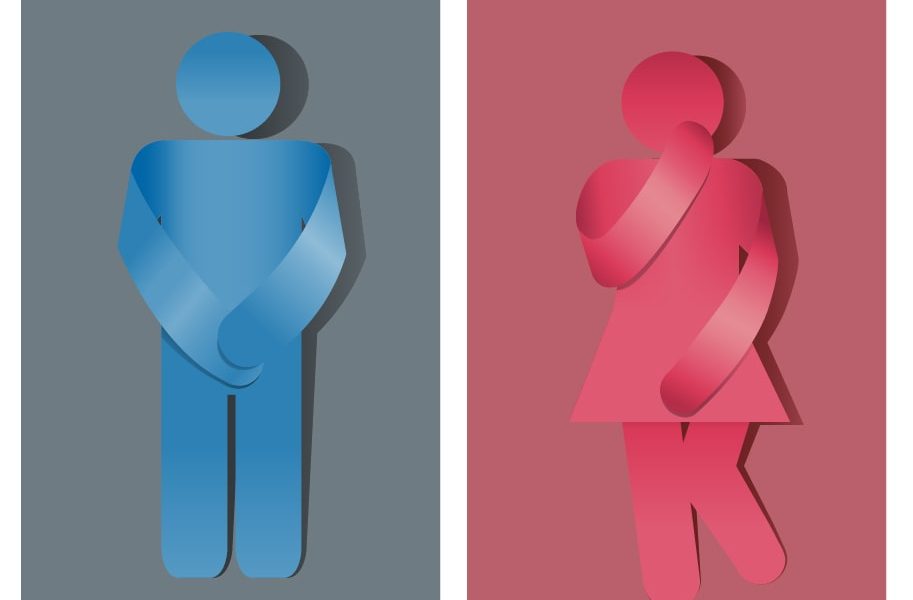
I’ve seen this come up more times than people realise.
Someone talks about diabetes and mentions numb feet. Or burning toes. That part usually feels expected. Then, a bit later in the conversation, they pause. They lower their voice. And they say something like, “I don’t always make it to the bathroom anymore.”
At first, it doesn’t sound connected. But it often is.
Diabetes can damage nerves slowly. Years pass. Blood sugar stays high on and off. The body adapts. It adjusts. It copes. Until one day, certain signals don’t reach where they’re supposed to.
This is when people start experiencing trouble controlling urine, even though nothing else in their routine seems very different.
Nerve damage linked to diabetes doesn’t arrive with an announcement. Most people notice it first in their feet or hands. Tingling. Numbness. A strange lack of sensation. What’s less talked about is that the same type of damage can affect the nerves connected to the bladder.
The bladder depends on timing. It needs to know when it’s filling up. And when it’s time to empty.
If the signal comes late, leaks happen. If the signal comes too often, urgency takes over. And if the muscles don’t respond properly, urine stays behind.
Some people stop noticing the urge until it’s urgent. Others feel the urge too often. Some deal with both. It changes from day to day.
That’s one reason trouble controlling urine looks different for different people.
A lot of adults assume this is just ageing. Or stress. Or drinking more water. So they adjust. They adjust their schedules, their habits, their thinking.
They plan exits. Sit closer to restrooms. Wake up more at night. Quiet changes.
I’m pausing here because this part is usually misunderstood. It’s not dramatic. It’s not sudden. It’s just… gradual.
Doctors often say these concerns come up late. Not because they’re rare. But because people don’t know how to bring them up.
And this is usually when daily life starts shifting in small ways.
Managing this isn’t one-size-fits-all. Blood sugar control matters. So does timing bathroom visits. Some people are advised exercises. Others medication. There isn’t a fixed order.
In everyday life, many adults quietly rely on absorbent products. Especially during long days. Or at night.
Lifree Adult Diapers and Pants are used by adults dealing with trouble controlling urine, including those living with diabetes. They are designed for regular wear, with absorbent cores, breathable materials, and odour control.
For some people it’s obvious. For others, it barely registers at first.
It’s something people figure out as they go.
Our Products
-
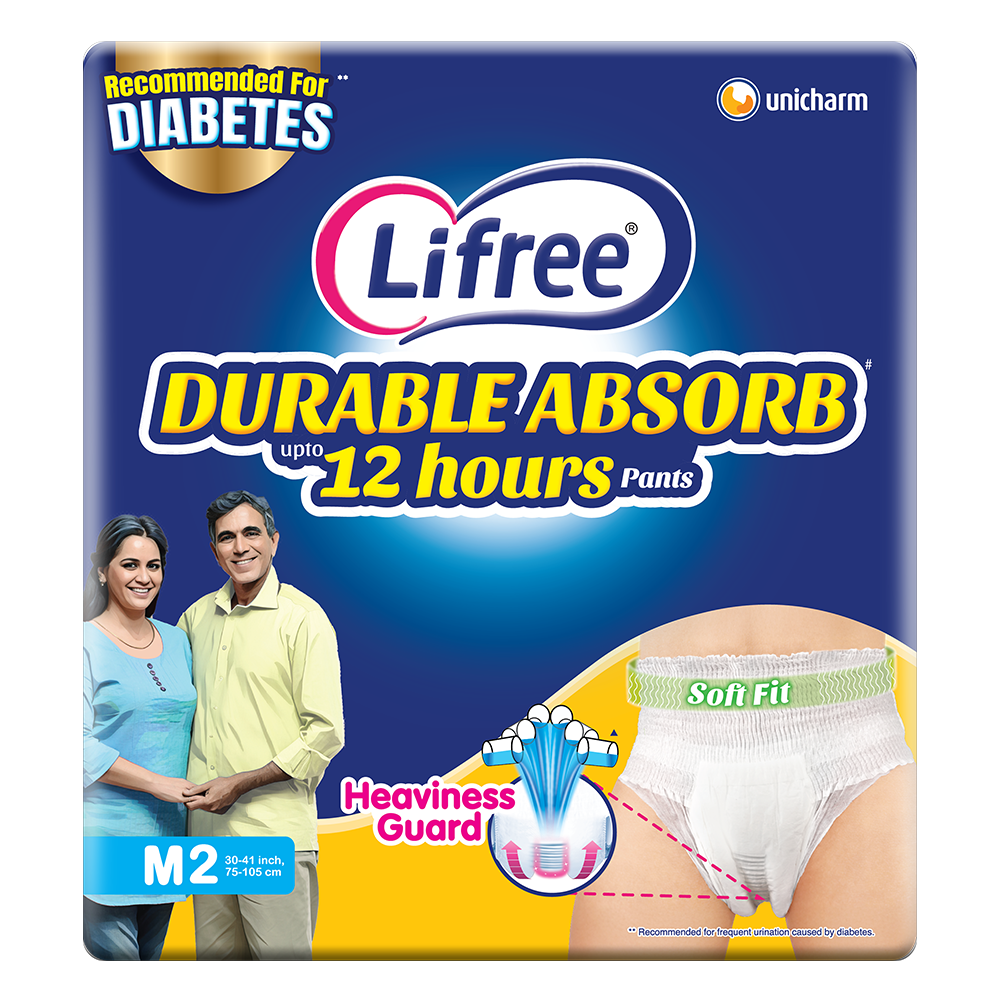 Lifree Durable Absorb upto 12 hrs Pants
12-hours protection 6-glass absorption technology
Lifree Durable Absorb upto 12 hrs Pants
12-hours protection 6-glass absorption technology
-
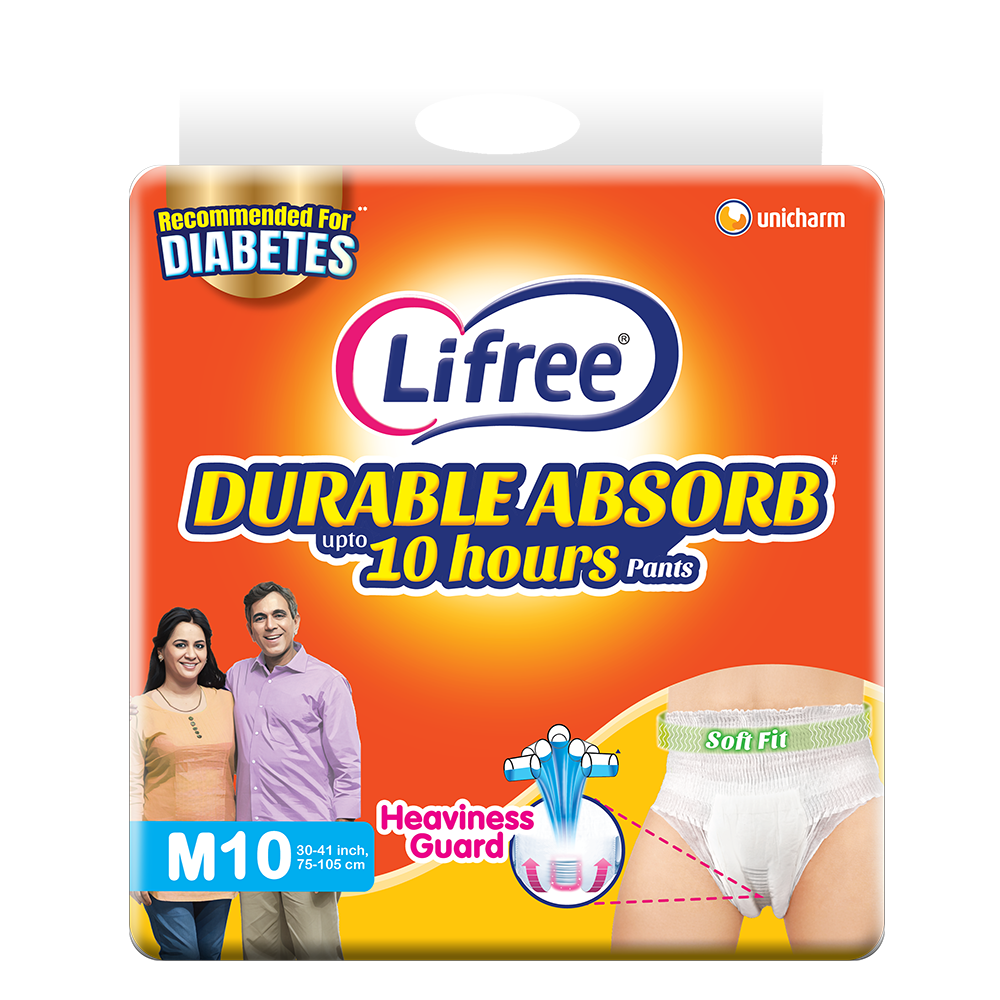 Lifree Durable Absorb upto 10 hrs Pants
10-hours protection 5-glass absorption technology
Lifree Durable Absorb upto 10 hrs Pants
10-hours protection 5-glass absorption technology
-
 All Night Absorb Pants
8-hours protection 4-glass absorption technology
All Night Absorb Pants
8-hours protection 4-glass absorption technology
-
 Durable Absorb Adult Diaper
8-hours protection 4-glass absorption technology
Durable Absorb Adult Diaper
8-hours protection 4-glass absorption technology