





Effective Type 2 Diabetes Treatment Strategies for Managing Incontinence
Before we get into that, let’s first understand what diabetes really is.
Diabetes is defined as a chronic condition where blood glucose (sugar) levels are too high because the body either doesn’t produce enough insulin or cannot use it effectively.
You know, having type 2 diabetes is already a bit of a hassle, and then you notice these little things, like suddenly needing the bathroom a lot or sometimes a tiny leak. At first, you think, well, maybe it’s nothing, but then you kind of realise, okay, yeah, this is probably connected to the sugar being a bit off. While you work on getting things under control, using support products like adult diapers large can help you feel more comfortable and confident during daily routines.
Dealing with it isn’t just about taking pills. There’s a lot of little stuff that actually helps. Walking after meals, watching drinks, keeping an eye on snacks — sounds small, but it makes a difference. Some weeks, you stick to it, and suddenly, nighttime isn’t so bad. Fewer urgent trips. Tiny improvements, but you notice.
And the medicines — sometimes the doctor adjusts them, sometimes adds something else. It’s a lot to keep track of, but you notice patterns. Like, when you take something at night, maybe you sleep better, fewer trips. It’s weird how these little changes actually show up in daily life. Not just numbers, not just pills — real things you feel.
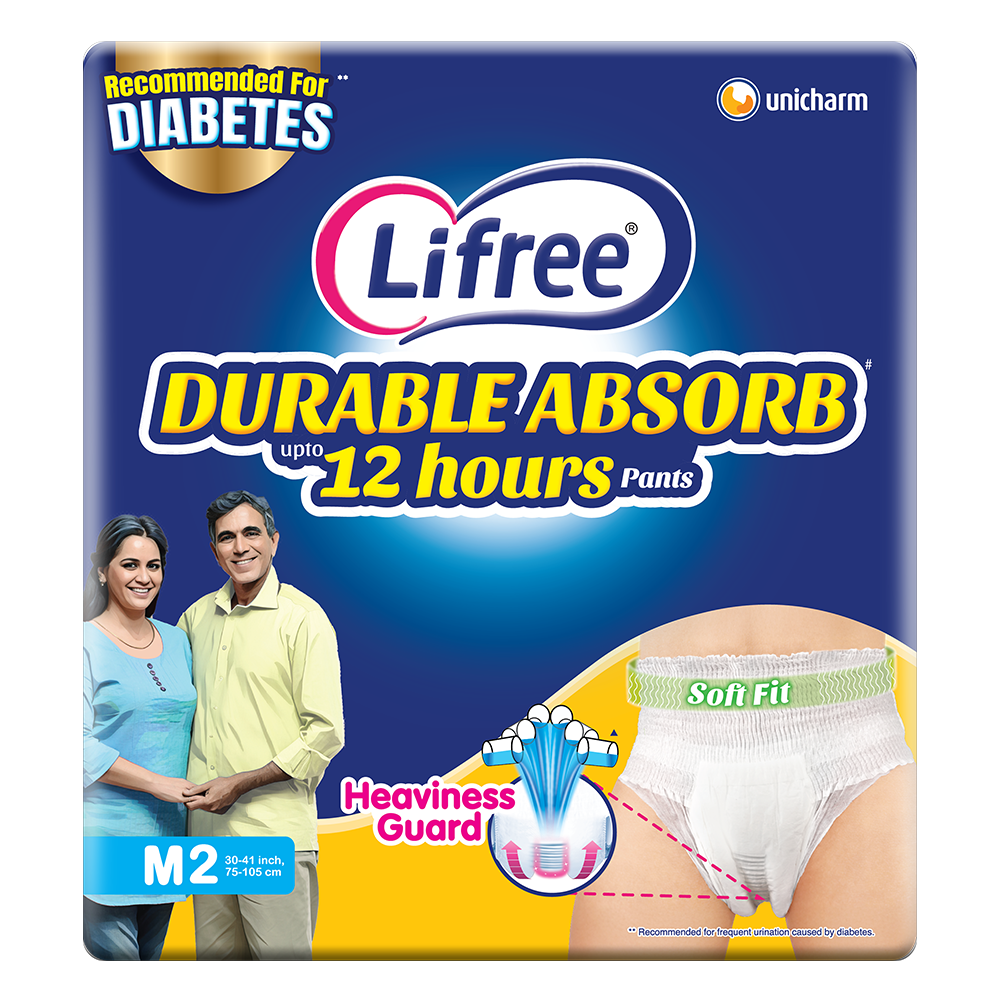
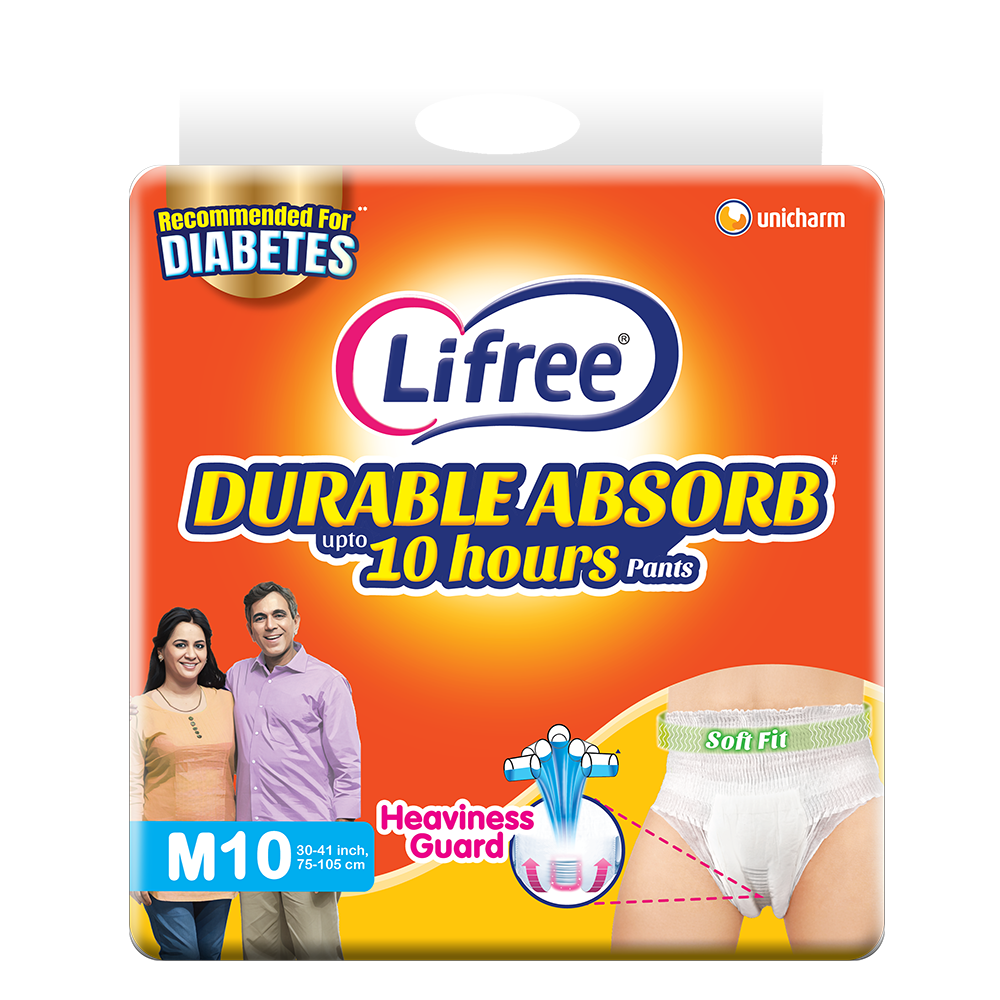
While it’s difficult to adjust to new routines, you need to surround yourself with things that make your life easier. Like Lifree diapers with stretchable bands and quick-dry sheets.
So sometimes you don’t feel the need to go until it’s urgent. Or it feels like you can’t empty fully.
Exercises, routines, even simple bladder training help a bit. You notice small wins — fewer leaks, more control. And honestly, noticing that makes sticking to the plan feel worth it.
Keeping track casually helps too. Like, jot down what you did, compare mornings and evenings, notice little changes. Walk after meals, sip slowly, and avoid drinks that irritate.
Tiny tweaks add up. And if it’s still tricky, talking to a doctor helps. They can suggest routines, exercises, or adjust meds. Things get easier slowly.
With diabetes, leaks get tougher. Food really plays a part. More greens, beans, berries, whole grains — they keep sugar steady and help the stomach too. If you’re constipated, leaks get worse. Water is good, sip throughout the day. But coffee, alcohol, sour stuff… they make the bladder act up. Better to cut them down. And for extra comfort and confidence during the day or night, using elderly diapers can help manage leaks while you work on improving diet and hydration.
Really, it’s not just numbers or tests. It’s about how you feel every day. Waking up at night, leaving the house without worry, those tiny things that make life feel a bit normal again. These little strategies quietly help you feel more in control, and those small wins really do matter.
At the end of the day, it’s about living better, not just managing sugar. Sleeping through the night, fewer sudden urges, feeling calmer — it all adds up. And that tiny bit of ease, those small wins, honestly, they feel like a big deal.
FAQ’s
2. Which lifestyle changes help manage both diabetes and bladder control?
Adopting a balanced diet (fibre‑rich foods, moderate fluids), avoiding bladder irritants (like excessive caffeine/alcohol), staying hydrated, and exercising regularly — especially light exercises or walking — help regulate sugar levels and relieve pressure on bladder and pelvic‑floor muscles. Also, managing weight reduces strain on pelvic muscles, improving bladder control and reducing urinary leakage.
3. What is the role of pelvic floor exercises in diabetic incontinence care?
Pelvic‑floor exercises (like Kegels) strengthen the muscles that support the bladder and help control urine flow. For someone with diabetes, stronger pelvic muscles help counteract bladder‑control loss due to nerve or vessel damage — reducing leaks, urgency, or uncontrolled urination episodes.
4. Can changing fluid and diet habits ease bladder problems in diabetics?
Yes — careful fluid intake (steady hydration, avoiding irritants like caffeine or alcohol) plus a fibre‑rich diet reduce bladder irritation and constipation, both of which can worsen urinary leakage. Also, consistent healthy eating helps maintain stable blood sugar, reducing over‑production of urine and stress on the bladder.
5. Are incontinence products part of a good diabetes‑incontinence management plan?
Yes. For people with diabetes experiencing leakage or bladder control fluctuations, using incontinence‑specific products (like absorbent pants or briefs) provides peace of mind and dignity while they work on underlying causes. These help prevent skin irritation or hygiene issues and make daily life more manageable as other therapies or lifestyle changes take effect.
6. When should a diabetic person seek medical help for bladder control issues?
If you notice frequent leaks, sudden urges, difficulty emptying the bladder, nighttime urination sprees, or persistent bladder discomfort — consult a doctor or urologist. Early evaluation can identify if nerve/blood vessel damage, bladder dysfunction, or other complications are at play — enabling timely treatment like bladder training, medication or physical therapy.
7. Can weight management influence urinary leakage in diabetes?
Yes. Excess weight — common in many people with Type 2 diabetes — increases pressure on the bladder and pelvic‑floor muscles, causing stress on their ability to retain urine. Losing weight or maintaining a healthy weight reduces that pressure, improving bladder control and reducing the frequency or severity of leaks.
8. Are infections like UTIs more common in diabetics with bladder problems?
Yes — diabetes can weaken immune response and impair bladder emptying, making those with bladder issues more prone to urinary tract infections. UTIs can worsen bladder irritation, increase urgency or leakage, and aggravate incontinence symptoms.
9. Can consistent diabetes management reverse or significantly improve incontinence?
Often — controlling blood sugar, adopting bladder‑friendly diet and fluid habits, strengthening pelvic muscles, and managing weight can substantially reduce or even resolve urinary incontinence triggered by diabetes. Especially when intervention starts early, these measures can protect nerves and bladder function, reducing the risk or severity of leaks over time.
10. What comprehensive approach should someone follow to manage diabetes‑linked incontinence?
A holistic plan includes regular blood sugar monitoring and management; a balanced, bladder‑healthy diet; proper hydration; pelvic‑floor exercises; healthy weight maintenance; scheduled voiding/bladder retraining; hygiene and UTI prevention; and, when needed, the use of incontinence products or medical treatment after consulting a doctor. With consistency and professional guidance, this multi-pronged approach offers the best chance of reducing urinary issues and improving quality of life.