




How Type 2 Diabetes Symptoms Contribute to Incontinence Issues
Type 2 diabetes is not a stressor. At first, you just check your sugar numbers and think, okay, that’s all there is. But then you notice little things coming in. Like, you start running to the bathroom more than usual, or maybe there’s a tiny leak now and then. Well, good news, there are products which help you manage your leak issues.
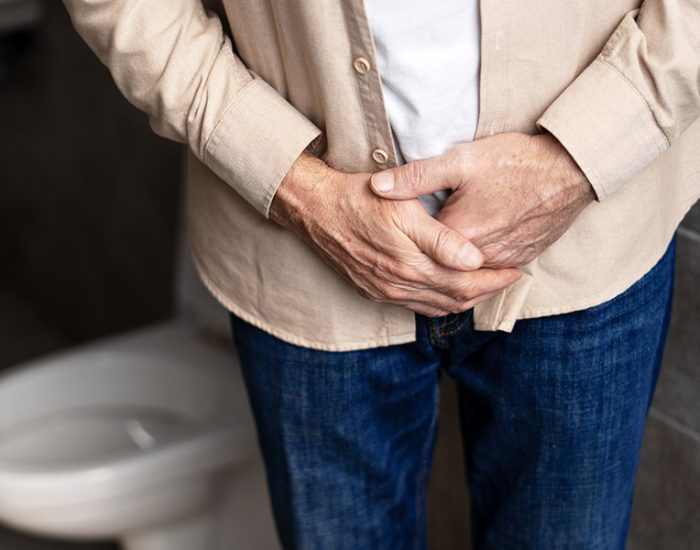
Some days it’s worse than others. You feel thirsty, tired, blurry in vision, and you think maybe it’s just the hustle and bustle of daily life which drains your energy, but then you understand these little annoyances are connected. The body tries to flush out the extra sugar, which drags water along. You end up going all the time. Drinking something, then going back to the washroom, and it just loops. Your bladder gets tired eventually. Sometimes it’s sudden urges, little leaks. It’s annoying and bothersome.
And the nerves, oh man. Over time, sugar can mess with them. So you don’t always feel the need to go when you should. Sometimes you feel like you can’t empty your bladder. You notice it in small ways — waking at night, planning your day around bathroom stops, or just thinking about it more than you want to.
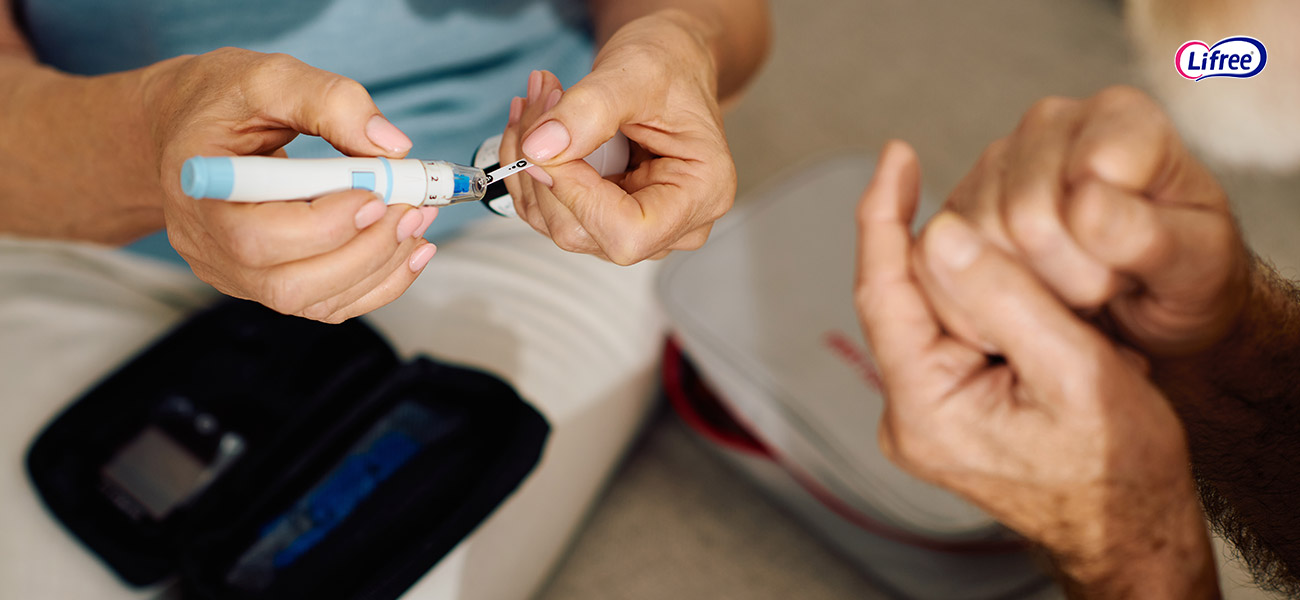
Keeping sugar more steady actually helps. Not just for the big things like heart or kidneys, but for the tiny everyday stuff. Fewer sudden urges, fewer trips at night, less stress about leaks. Little things help — a short walk after meals, watching drinks that bother you, checking the readings now and then. And if it’s still messy, talking to a doctor helps. Exercises, routines, maybe some meds. It’s better than just ignoring it.
Type 2 diabetes isn’t just numbers. It’s about living. Keeping your sugar closer to normal quietly protects the bladder and helps you notice small improvements. You see it in everyday life — sleeping a bit better, leaving the house without worrying, feeling more in control. And really, that’s kind of a big deal when you think about it.
Mainly, Urge incontinence is associated with type 2 diabetes. What is urge incontinence? Urge incontinence happens when a sudden, overwhelming need to urinate causes leaks. Stress incontinence occurs when physical activities like coughing, sneezing, or exercise put pressure on the bladder, leading to leakage. Overflow incontinence develops when the bladder doesn’t empty fully, so small amounts of urine escape as it overfills.
But the choice is always in your hands, on how you can manage a situation.
On the bright side, there are ways to manage both incontinence and diabetes.
With the right steps, life for people dealing with incontinence can become self-sufficient and manageable.
For diabetes, consult a doctor and a dietitian to help maintain your life peacefully.
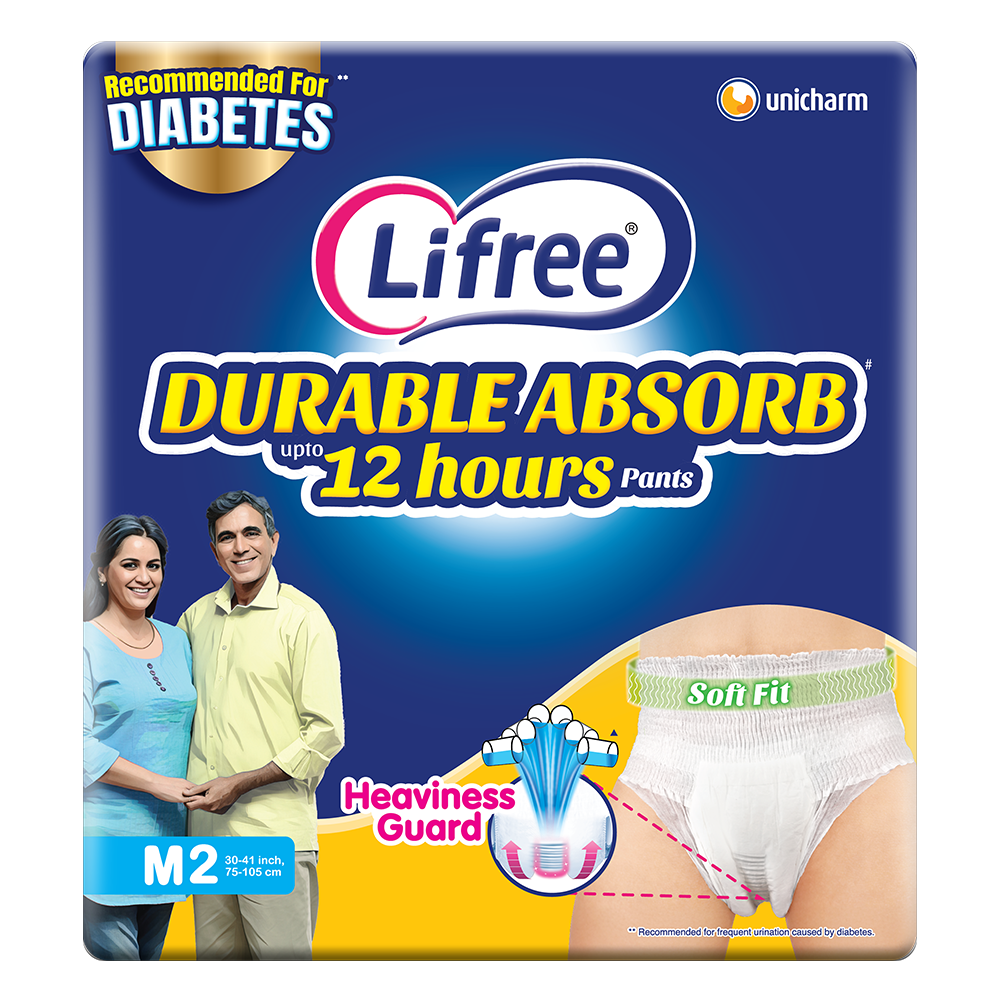
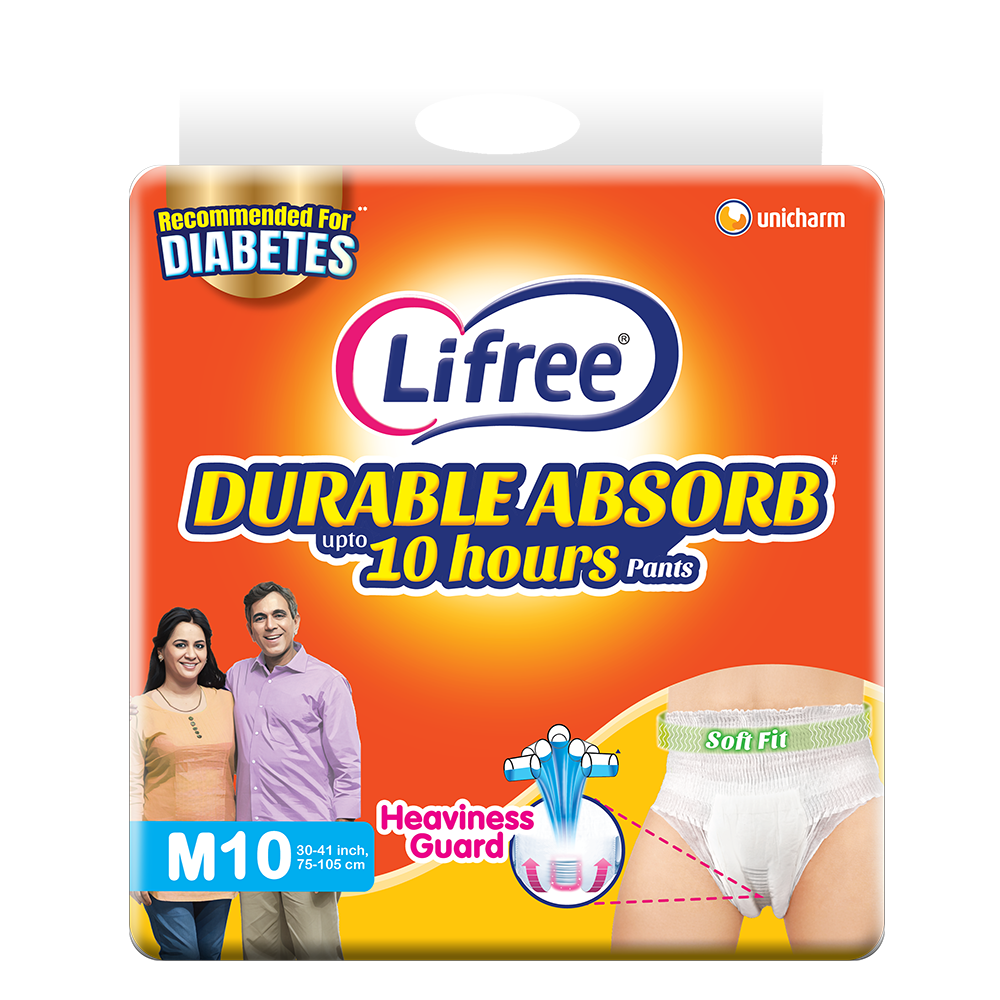
For incontinence, choose the right support of an adult diaper to live worry-free.
Thinking of Buying Adult Diapers? Read This First
When I first had to buy adult diapers for a family member, I thought it was just about picking a size and that’s it. Turned out, there’s way more to it.
The big one is absorption. Some diapers last a few hours, some go through the night. If you don’t check that, you’ll end up changing way too often.
Size and feel are another headache. Too loose? Leaks. Too tight? Uncomfortable all day. Getting the right fit takes a bit of trial and error.
Then comes skin care. If the material doesn’t breathe, rashes show up quickly. Trust me, you don’t want to deal with that.
Also, look for little extras like leak guards or odour lock. They sound like marketing, but in real life, they matter — especially if the person is stepping out.
Oh, and style — pants-type is easier for active people. Tape-type works better if the person is mostly on bed rest.
Price is last but important. Some cheaper ones do the job, but most of the time, bulk packs from reliable brands are more value for money.
So yeah, don’t just pick the first pack you see. Think about the overall impact, skin, lifestyle — all that stuff. What works for one person might just be a recommended choice for others.
FAQ’s
2. Why does diabetes cause strong urges to urinate or frequent urination?
With high blood glucose, the kidneys filter out the extra sugar by producing more urine — which leads to increased urinary frequency. Also, nerve damage may impair bladder sensation, so you may not “feel” fullness properly — causing sudden urges or leakage. This combination often results in daytime urgency, nighttime urination, or “going too often.
3. What types of incontinence are common among people with Type 2 diabetes?
According to the Lifree blog, individuals with diabetes may experience urge incontinence — a sudden, intense urge followed by involuntary urine flow. Other types include overflow incontinence, when the bladder doesn’t empty fully and leaks, and stress incontinence, where leakage happens under pressure (coughing, sneezing, exercise) especially if other risk factors like pelvic-floor weakness or obesity exist. Mixed symptoms are also possible, combining aspects of different incontinence types.
4. How does nerve damage from diabetes lead to bladder problems?
Long-term high blood sugar can damage small nerves — including those that control bladder muscles and sensation (autonomic neuropathy). As a result, the bladder may not “tell” the brain when it’s full or lose proper control over bladder contraction and release. This can lead to incomplete emptying (overflow), reduced sensation, overactive bladder, or sudden leakage — all contributing to incontinence.
5. Can obesity or weight contribute to incontinence in diabetics?
Yes. Overweight or obesity — common among many with Type 2 diabetes — can increase pressure on the bladder and pelvic floor, reducing bladder control and raising the risk of incontinence. Also, extra weight may strain the pelvic muscles that support the bladder, making leakage more likely under stress (sneezing, coughing, physical activity). Managing weight along with diabetes can help reduce such risks.
6. Are bladder infections or UTIs more common in diabetics with urinary issues?
Yes — people with diabetes are more prone to urinary tract infections (UTIs), since elevated blood sugar may impair immune response and create favorable conditions for bacterial growth. UTIs can irritate the bladder, worsen urgency or leakage, and sometimes lead to more serious kidney complications if unchecked. Because bladder nerve function is already compromised in many diabetics, UTIs may exacerbate incontinence symptoms.
7. Can controlling blood sugar reduce the risk or severity of incontinence?
Absolutely. Maintaining blood glucose within target levels helps prevent nerve damage and reduces excess urine production — both of which are central to diabetes-related bladder issues. Coupled with a healthy lifestyle (balanced diet, exercise, weight control), it can lower the likelihood and severity of urinary incontinence. Early and consistent diabetes management is key to preserving bladder health long-term.
8. What lifestyle or behavioural changes help manage incontinence in diabetics?
Simple steps can help: maintain a healthy weight, stay active, avoid bladder-irritating substances (like excessive caffeine), and follow fluid-timing strategies (e.g. limiting fluids before bedtime). Pelvic-floor exercises (like Kegels) may strengthen bladder-supporting muscles and improve control. Also, emptying the bladder regularly and avoiding holding urine too long helps reduce leakage and bladder stress.
9. When should someone with diabetes consult a doctor about bladder or incontinence issues?
If you experience frequent leaks, sudden urges, nighttime urination, inability to fully empty the bladder, or bladder pain — it’s wise to consult a healthcare professional. A doctor may evaluate for underlying causes — nerve damage, infection, or other complications — and recommend appropriate tests or treatments (e.g. medications, bladder training, urodynamic assessment). Early intervention can prevent worsening symptoms and improve quality of life.
10. Is incontinence due to diabetes permanent, or can it be improved?
In many cases, diabetic incontinence can be managed or improved. Good blood sugar control, healthy lifestyle changes, weight management, and bladder-friendly habits can significantly reduce urinary problems. If nerve damage is mild, bladder function may improve; for more pronounced issues, treatments like bladder training, pelvic-floor therapy, or suitable incontinence products may offer relief. Early detection and care make a big difference — you don’t always have to “just live with it.