



Why is it necessary to know what’s happening with your body?
Well, when you suffer an alignment, you start experiencing symptoms, and tests let you or your doctors know of the onset of these symptoms.
During diabetes tests, it becomes a regular thing, and at first, you really don’t pay much heed to what the test has to say, but then you start noticing little things. Like, when some readings are higher, you end up running to the bathroom more. Or sometimes there’s a tiny leak. At first, it’s like, “huh, that’s odd,” and then you kind of realise, okay, this is connected to the sugar levels being a bit off.
Tests You Can Do Regularly for Diabetes
Managing diabetes isn’t only about food and medicines; it’s also about keeping an eye on your numbers. For that, you need to be aware of these tests.
- Fasting blood sugar – taken after you haven’t eaten all night. It tells you your basic level.
- Post-meal sugar – usually two hours after eating, to see how food affects you.
- HbA1c – this one shows your average sugar for the past 2–3 months. Doctors rely on it a lot.
- Random sugar check – done anytime during the day, quick and easy.
- Glucose tolerance test – mostly for diagnosis, but sometimes repeated if needed.
At home, many people also use a glucometer to prick the finger and get a quick reading. Lab tests, though, give the bigger picture.
There are different ways they check it. Finger pricks, fasting, and after eating, some that last a few hours. It’s annoying sometimes, sure, but you start noticing patterns.
Maybe one week, mornings are high, and nights are okay. And then you notice your bladder feels a bit more predictable those nights. Weird how those tiny numbers actually line up with what you feel.
The body has its own way of showing stress. Too much sugar pushes the kidneys to work harder, and with it comes those endless bathroom trips. You sip water to stay okay, but then you’re back again. After a while, the bladder feels worn out. Sudden urges show up. Small leaks follow. Along with the embarrassment, the body also feels drained — tired muscles, dry mouth, and even blurry eyes at times. It’s the body’s way of saying, “slow down, something’s not right.
High sugar can mess with the signals that tell your bladder what’s happening. Sometimes you don’t feel you need to go until it’s urgent. Sometimes you feel like you can’t empty fully. You notice slowly — waking at night, thinking about bathroom trips during the day, planning when to leave the house. It’s frustrating, but you adjust.
Keeping track of the readings actually helps. Even casually, like jotting them down, comparing mornings to evenings. You see patterns before things get worse. Small habits make a difference too — short walks after meals, sipping water instead of chugging, avoiding drinks that bother you. And if it’s still tricky, talking to someone who knows helps. Exercises, routines, maybe meds. It’s easier than just ignoring it.
Tests aren’t fun, but they’re little guides. They show how your body is handling things day to day. And noticing small improvements feels good. You sleep a bit better, leave the house without worrying, and feel a bit more in control. And honestly, that little bit of ease in daily life? That’s a big deal.
Our Products
-
 Lifree Durable Absorb upto 12 hrs Pants
12-hours protection 6-glass absorption technology
Lifree Durable Absorb upto 12 hrs Pants
12-hours protection 6-glass absorption technology
-
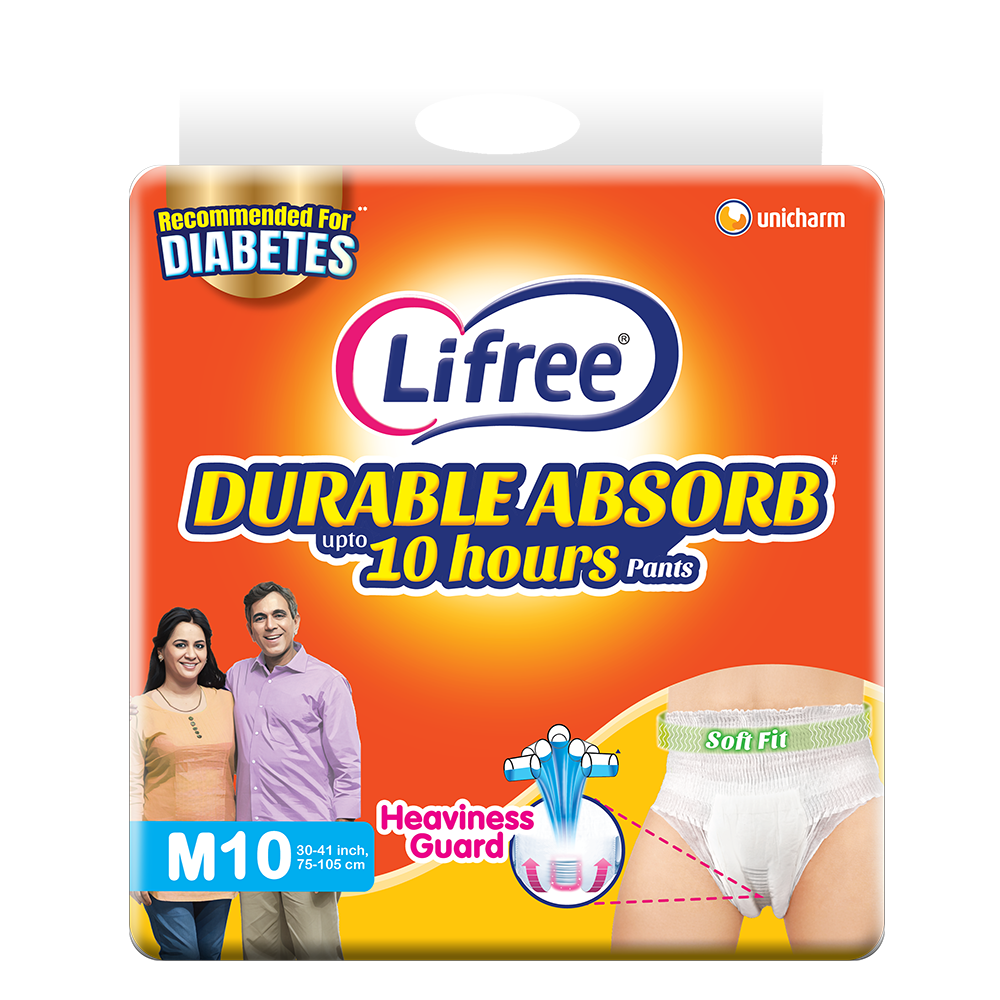 Lifree Durable Absorb upto 10 hrs Pants
10-hours protection 5-glass absorption technology
Lifree Durable Absorb upto 10 hrs Pants
10-hours protection 5-glass absorption technology
-
 All Night Absorb Pants
8-hours protection 4-glass absorption technology
All Night Absorb Pants
8-hours protection 4-glass absorption technology
-
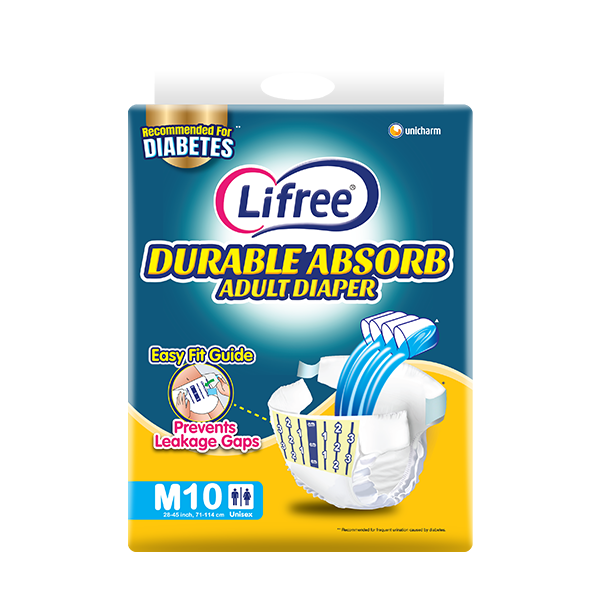 Durable Absorb Adult Diaper
8-hours protection 4-glass absorption technology
Durable Absorb Adult Diaper
8-hours protection 4-glass absorption technology