


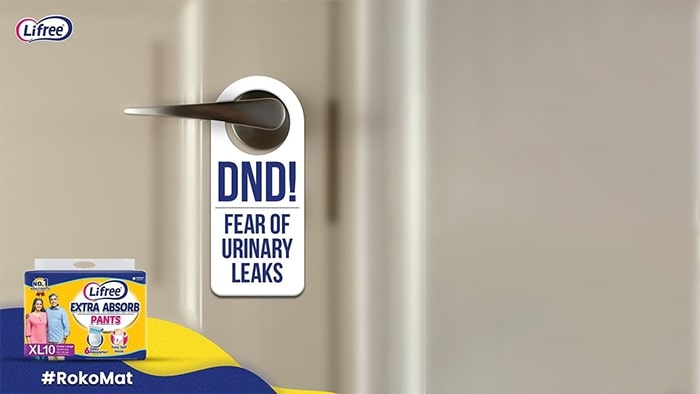
So, here’s the thing nobody really likes to talk about — dealing with laundry when there’s incontinence involved, not like regular laundry. Whether it’s a loved one who uses adult diapers or caretakers managing it themself, the mess, the smell, the stains, and the stress of keeping things clean — it’s a lot.
People suffering through incontinence go through this. At first, most people make these mistakes. Tossing things straight into the machine, using hot water, mixed laundry loads. Spoiler alert: none of that helped. But over time, it was figured out how few tricks that make life easier can be incorporated in your routine.
Let’s share them with you — not as a pro, but as someone who’s been in the same spot, staring at soiled bedsheets wondering what to do next.
Act Fast —Don’t Let It Sit
If there’s been a leak, don’t leave the clothes or bedsheets in a pile for later. The longer the mess sits, the harder it is to clean — and the smell? It settles in deep. I kept a bucket in the bathroom with cold water and a few drops of detergent. Anything that got wet or stained went straight in for soaking.
Cold Water First, Always
This one’s big. Never start with hot water. It sets protein stains (yes, pee counts) and makes them worse. Always rinse or soak with cold water first. You can move to warm later, but never skip the cold rinse.
Use Enzyme-Based Detergents
Not all detergents are built the same. The regular stuff sometimes can’t handle body fluids. I switched to an enzyme-based one — something labeled for “bio stains” or even baby clothes — and it made a huge difference. The smell started coming out completely, and even the yellow patches faded.
Add Vinegar or Baking Soda (But Not Both)
If you’re dealing with persistent odor, a splash of white vinegar in the rinse cycle helps. If it’s stains that bother you, baking soda in the soak bucket works. But don’t mix them — they cancel each other out. Try at your own risk, foam everywhere, not fun to work after then. Avoid it please.
Separate Loads — No Mixing
I learned this the hard way. I used to throw everything together. Big mistake. Always wash clothes or sheets affected by diaper leaks separately from your regular laundry. It’s not just more hygienic — mentally, you’ll also feel better.
Double Rinse If Needed
Even after a full wash, sometimes there’s still a faint smell. Hit that extra rinse button. It uses more water, yeah, but better than sleeping on a bedsheet that smells slightly off, trust me.
Sunlight is Magic
If you can dry things outside — do it. The sun is nature’s best stain remover and deodorizer. Even in winter, just placing clothes where some sunlight hits helps a lot. People even call it “sun bleach” , probably a made-up name.
Mattress Hacks That Help
For bedding, layer up. You can start putting an old towel between the bedsheet and the waterproof sheet. That way, you don’t have to clean the big mattress protector every time. Just take the towel, toss it in the soak bucket, and that’s that.
Get a Dedicated Hamper or Bag
Keep a separate laundry hamper or wet bag just for diaper-related laundry. That way you’re not mixing stuff or losing time sorting. You can keep ours in the bathroom for quick access.
Don’t Be Too Hard on Yourself
Lastly, and maybe most importantly — don’t stress if some stains don’t go away completely. Clean doesn’t always mean spotless. If it’s fresh, smells fine, and you did your best — that’s more than enough.
It’s not the kind of chore anyone signs up for, but once you find your rhythm, it gets manageable. Initially it will be a bit awkward to do it.
If you’re dealing with this stuff — you’re doing something that requires patience, care, and love. That’s no small thing. Respect to you.
Our Products
-
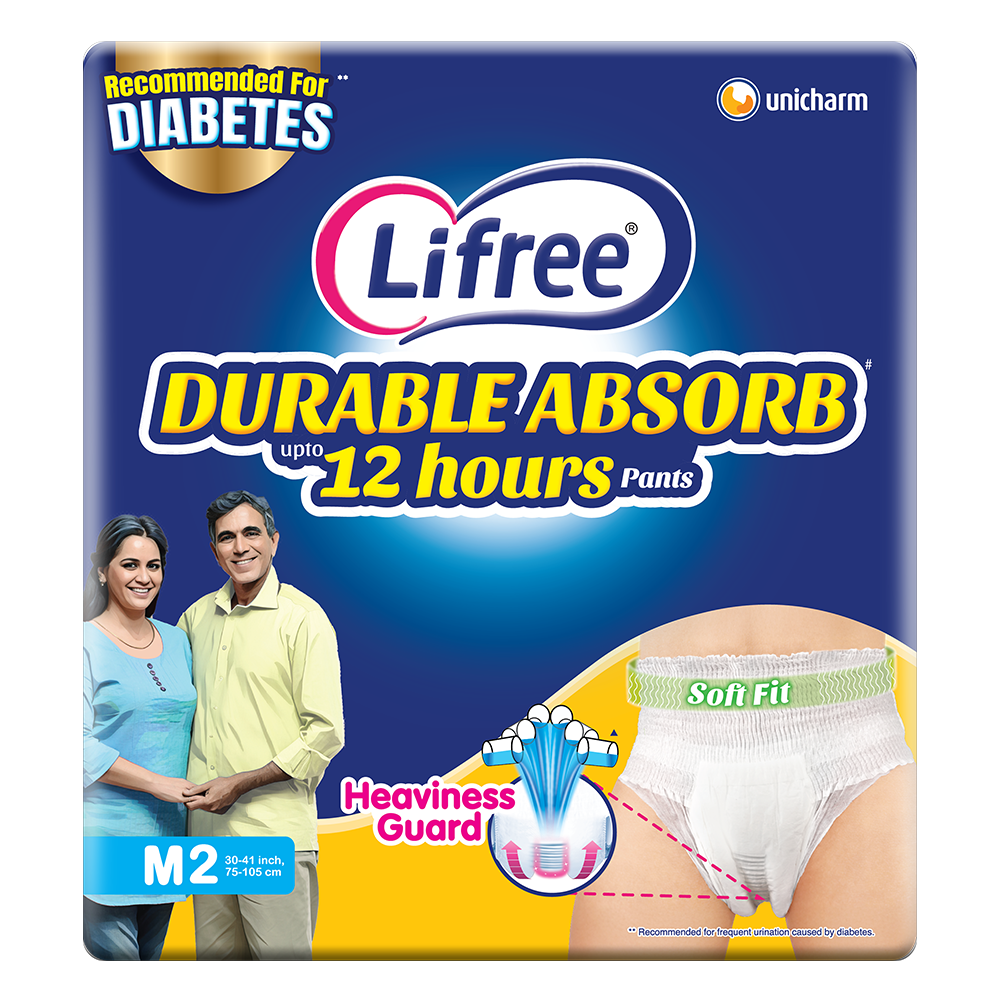 Lifree Durable Absorb upto 12 hrs Pants
12-hours protection 6-glass absorption technology
Lifree Durable Absorb upto 12 hrs Pants
12-hours protection 6-glass absorption technology
-
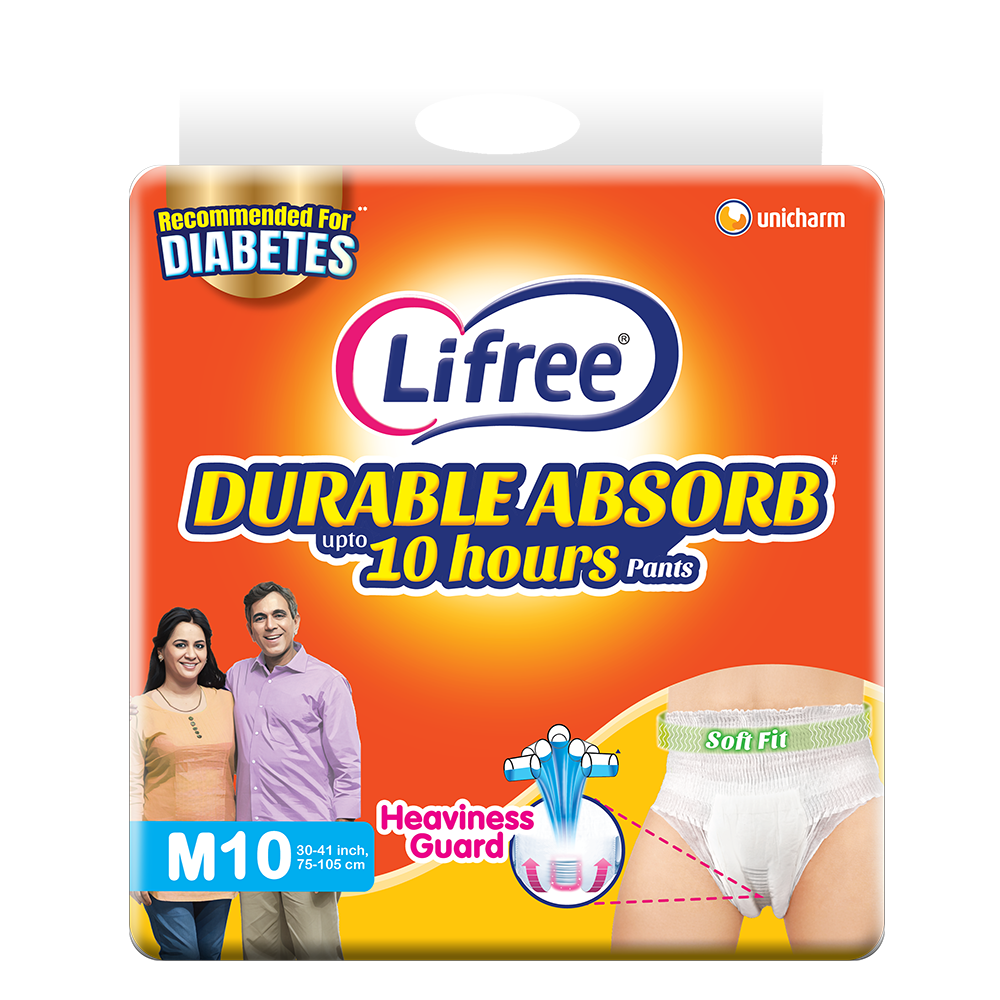 Lifree Durable Absorb upto 10 hrs Pants
10-hours protection 5-glass absorption technology
Lifree Durable Absorb upto 10 hrs Pants
10-hours protection 5-glass absorption technology
-
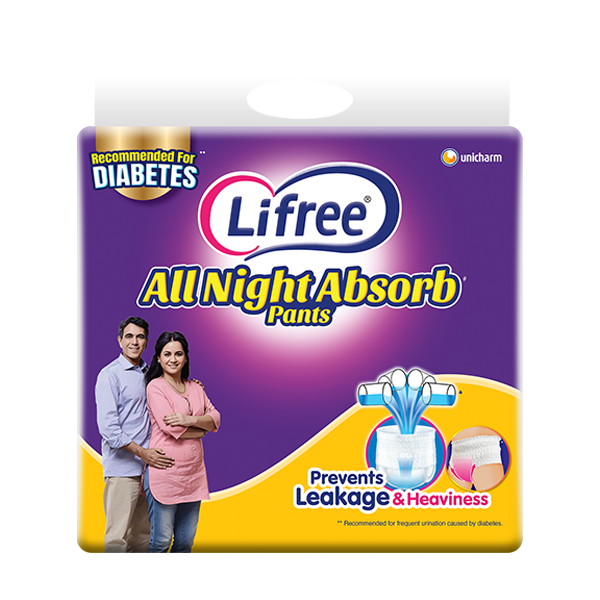 All Night Absorb Pants
8-hours protection 4-glass absorption technology
All Night Absorb Pants
8-hours protection 4-glass absorption technology
-
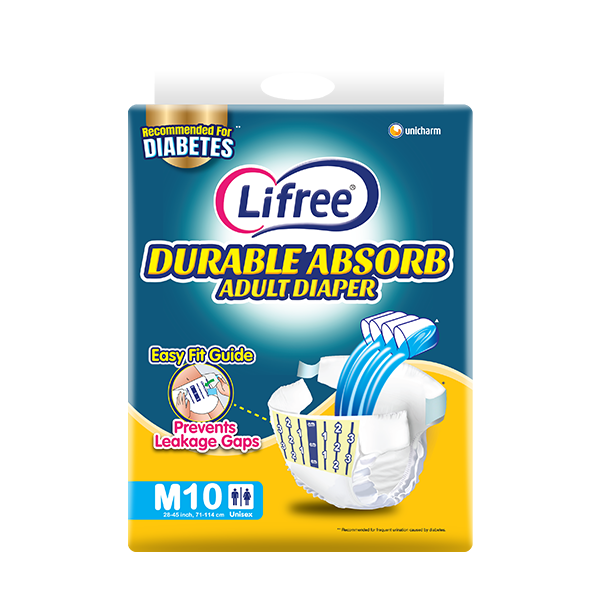 Durable Absorb Adult Diaper
8-hours protection 4-glass absorption technology
Durable Absorb Adult Diaper
8-hours protection 4-glass absorption technology