

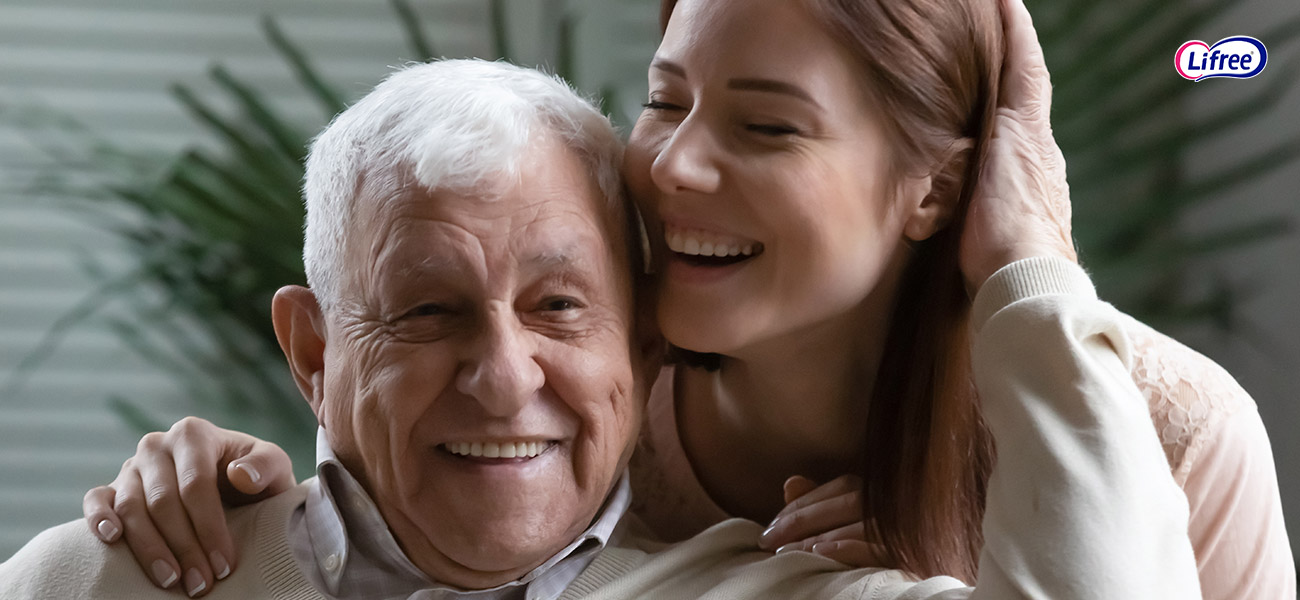
Growing old can usher in some unwanted surprises—one such circumstance being incontinence. Though normally addressed as a physical problem, the emotional impact is often not talked about or goes unnoticed, particularly for elderly people who have to cope with loss of control, privacy, and autonomy.
Realizing this emotional impact is vital for caregivers and relatives alike. Behind every timid bathroom visit or avoided social engagement is an older adult struggling not only with physical pain but with emotional burden—embarrassment, frustration, anxiety, and sometimes even shame.
The Emotional Impact of Incontinence
-
Incontinence isolates and self-consciousness makes older adults feel few of the typical emotional reactions include:
-
Embarrassment due to fear of leakage or heaviness.
-
Worry about going out of the home or going to parties.
-
Frustration from losing control or independence.
-
Depression from withdrawal from everyday life and society.
-
If not processed with sympathy and compassion, these feelings can lead to a person’s decline in mental health as a whole.
Simple Acts of Empathy Goes a Long Way
Support starts with empathy. Seniors have to feel understood, not judged. Be soft with your words, lend an ear than just talk, and steer clear of infantilizing language.
Replace phrases like “Let me change your diaper” with “Would you like some assistance getting freshened up?” Respect, tone, and choice of words matter alot.
Establish Structure Through Routine
-
Incontinence may seem random—but a daily routine can help seniors reassert control:
-
Schedule frequent bathroom stops.
-
Promote proper hydration rather than restriction.
-
Select garments that are easy and comfortable to handle.
-
Engage them in decision-making—what products they like, what routine works for them—so they maintain independence.
How Lifree Eases the Emotional Burden
The correct incontinence product does more than trap leaks—it rebuilds confidence.
Lifree adult diapers are:
-
Discreet and comfortable, enabling seniors to feel more themselves.
-
Highly absorbent, eliminating the fear of accidents.
-
Skin-friendly and gentle, ensuring long-term protection.
-
Engineered to handle leak and heaviness minimizing stress while being out in public.
-
Seniors can now attend family gatherings, visit temples, or go for a simple errand without having to worry about their condition being visible.
Encourage Social Participation
-
One of the worst harms of incontinence is the unobtrusive isolation from social life. But remaining socially engaged is vital to mental health.
-
Begin modestly: a walk in the evening or a cup of tea with a friend.
-
Be prepared: carry an “outing kit” with a spare diaper, wipes, and a discreet disposal bag.
-
Join seniors’ community groups—bhajan mandals, art clubs, or wellness programs.
Respect Their Space
-
Assisting someone doesn’t equate to taking over. Uphold their dignity by:
-
Asking permission before assisting.
-
Providing choices.
-
Ensuring privacy during bathroom or diaper care routines.
Check-In on Their Mental Health
If your loved one appears consistently low, anxious, or withdrawn, urge them to talk to a geriatric counsellor. Mental well-being is as significant as physical health—and sometimes an outside ear of listening can do more than we realize.
And Remember—Caregivers Matter Too
Caring for a person with incontinence is not easy. It’s all right to feel overwhelmed. Take breaks, get help, and don’t be afraid to share with others—whether it’s a friend, another caregiver, or a counsellor. Your well-being counts too.
Conclusion
Incontinence isn’t only a body issue—it’s an issue of confidence, connection, and peace of mind. But with understanding, routine, the right equipment like Lifree, and a caring environment, seniors can regain their dignity and continue living fulfilling lives.
Their condition might shift, but their value—and their right to joy, independence, and love—never will.
Our Products
-
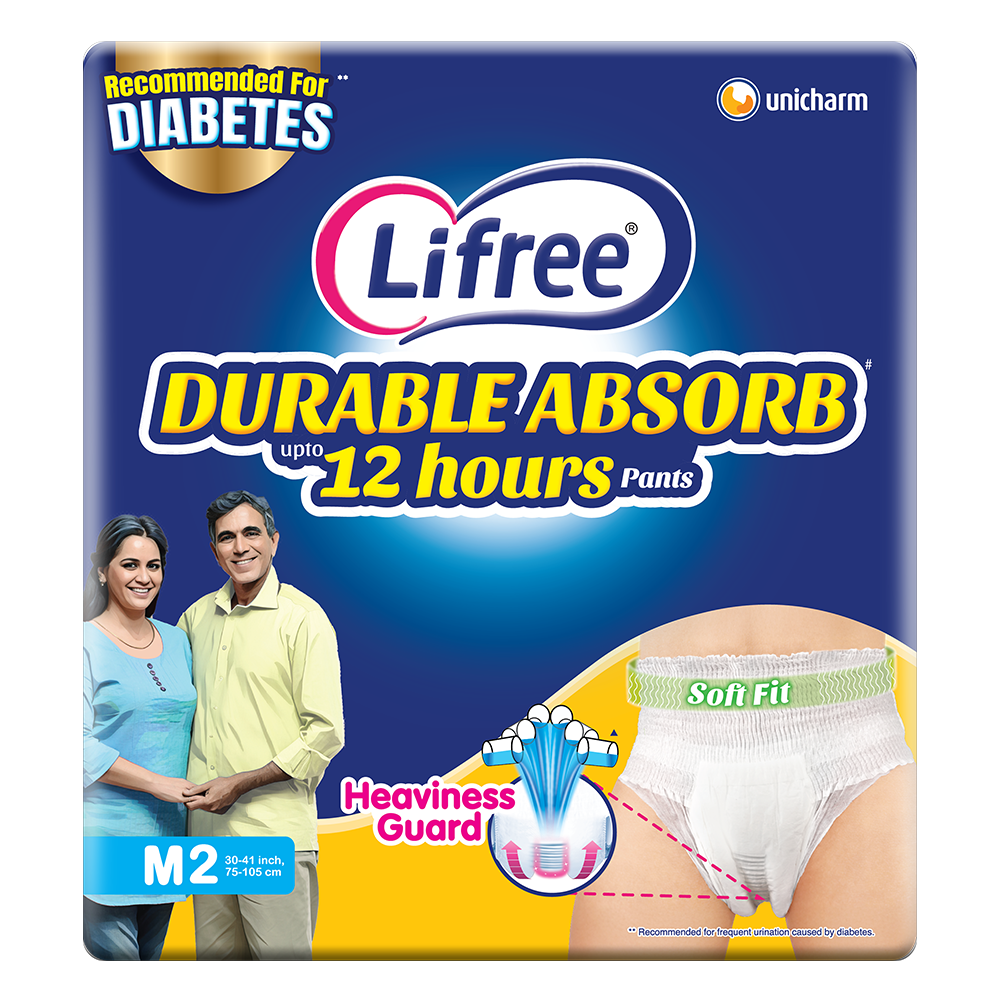 Lifree Durable Absorb upto 12 hrs Pants
12-hours protection 6-glass absorption technology
Lifree Durable Absorb upto 12 hrs Pants
12-hours protection 6-glass absorption technology
-
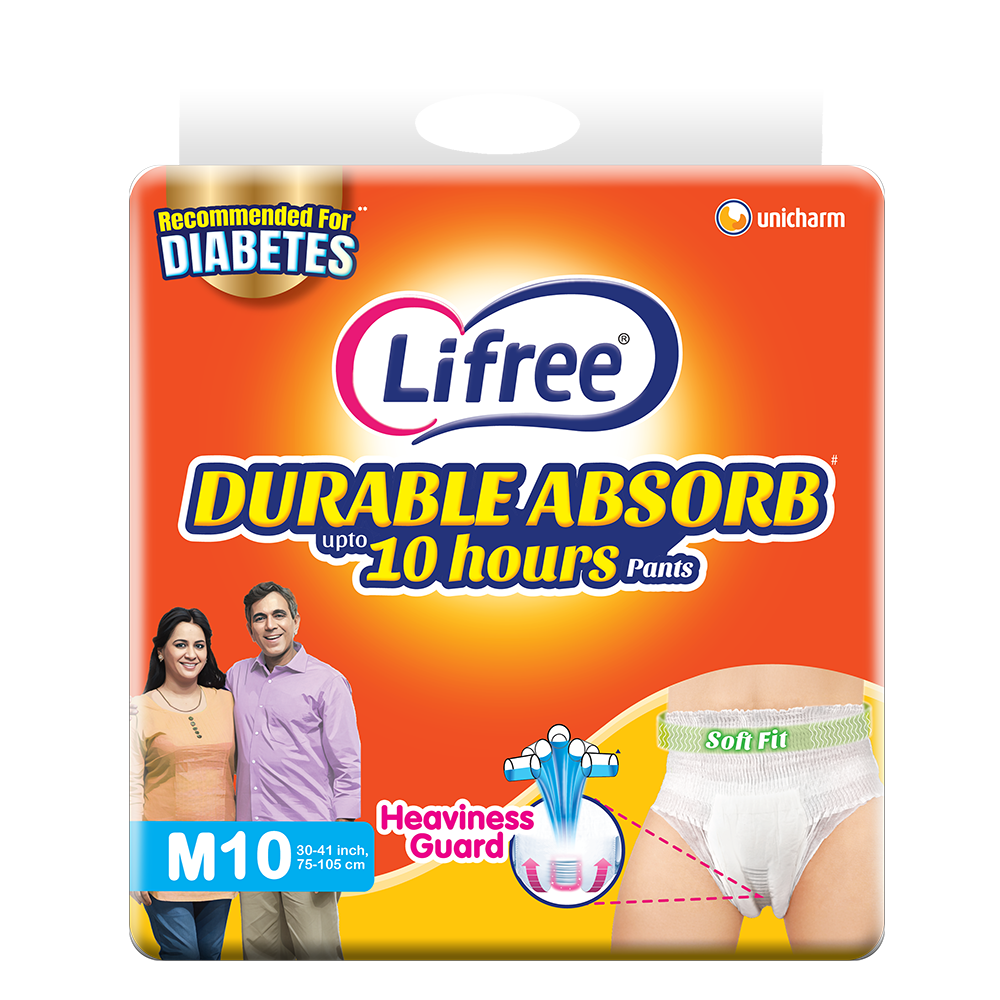 Lifree Durable Absorb upto 10 hrs Pants
10-hours protection 5-glass absorption technology
Lifree Durable Absorb upto 10 hrs Pants
10-hours protection 5-glass absorption technology
-
 All Night Absorb Pants
8-hours protection 4-glass absorption technology
All Night Absorb Pants
8-hours protection 4-glass absorption technology
-
 Durable Absorb Adult Diaper
8-hours protection 4-glass absorption technology
Durable Absorb Adult Diaper
8-hours protection 4-glass absorption technology